Amphitheatrum Flavium - Kolosseum
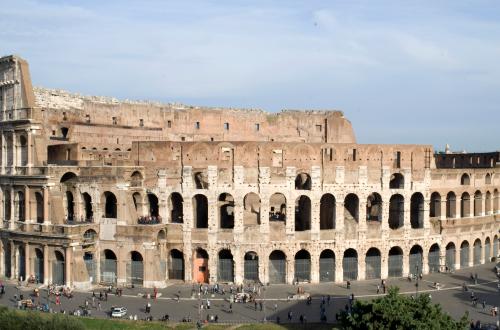
Amphitheatrum Flavium - Kolosseum
Monumente
 Condividi




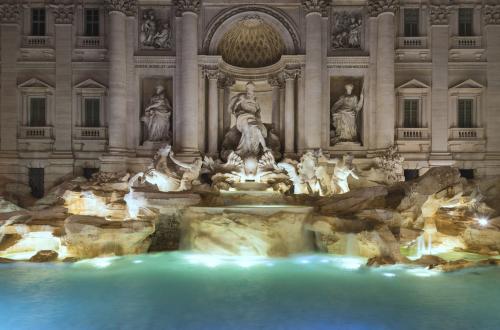
The most famous of the Roman fountains: a jewel of water and stone
Secondo la leggenda, la storia di Roma comincia proprio da qui

An unmissable opportunity to plan your own future in the field of Fashion
Rome is a perfect destination for tourism and in particular for school trips
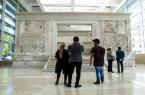
The inestimable artistic heritage of Rome is the preferred destination for the many students who decide to benefit from the many cultural opportunities that the city offers
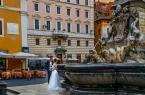
Rome is the perfect choice for a romantic and refined wedding, enriched by a millenary history

Tradition, sartorial mastery, and innovative technologies in a unique setting

Glamour, myth and beauty: a city where even fashion is a legend
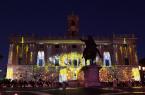
Beauty and art, magnificent spectators of a thousand-year history
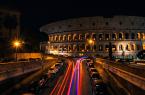
The endless opportunities for fun in Rome
Roma è la destinazione ideale per il turismo Business
How and where to see live sporting events

Come e dove allenare corpo e mente nella seconda capitale più verde d'Europa
Geschichte, Wissenswertes und nützliche Informationen, um den Zauber der Ewigen Stadt in vollen Zügen zu genießen
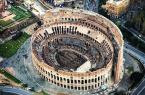

Seven unusual itineraries to discover the city from new perspectives
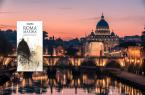
Stories, places, and secrets – a guidebook to an eternal city.

A puzzle of voices and experiences: bloggers explain Rome
A great wealth of knowledge and experience accumulated in the past
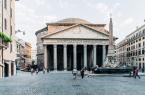
Reichtum, Prunk und Pracht, eingetaucht in die Magie der Geschichte
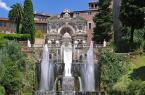
Entdecken Sie Tivoli und seine wunderschönen Villen


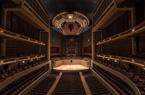



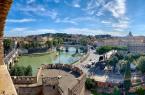
Un itinerario tra architetture millenarie e ardite visioni contemporanee
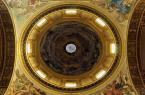
Rom, die ideale Kulisse für Meisterwerke des Kinos und große Melodien
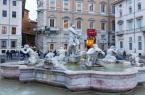
Eine Reise in die Museen der Piazza Navona und Umgebung

Eine Route für diejenigen, die nur wenig Zeit haben, um die Sehenswürdigkeiten Roms kennenzulernen

Rom erleben in drei intensive Tage
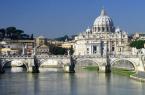
A perfect five day itinerary for an unforgettable Roman holiday
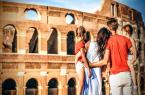
Indoor & outdoor activities and attractions
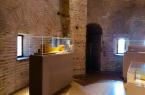
Discovering precious collections from prehistory to contemporary art

Simple and delicious traditional recipes

Typical sweets of the Roman Castles of very ancient origin

Die Meeresseele Roms
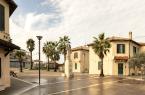
Aromen und alte Traditionen an einem Ort, an dem die Zeit still zu stehen scheint
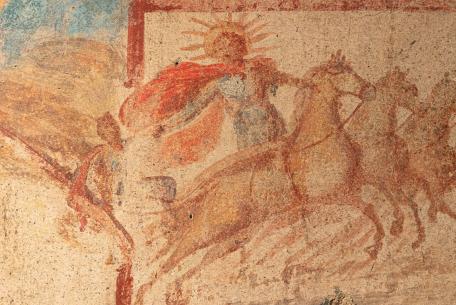
Ein verborgener Schatz im Herzen Roms, ein geheimnisvoller und faszinierender Ort mit einer stimmungsvollen Atmosphäre. Der so genannte Barberini-Mithraeum wurde 1936 zufällig in einem Kellerraum d
[...]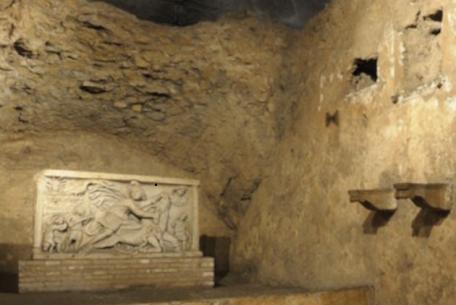
The mithraeum was discovered during the 1930s, when works were carried out to create a storage facility for the sets of the National Opera Theatre at the former Pantanella pasta factory.
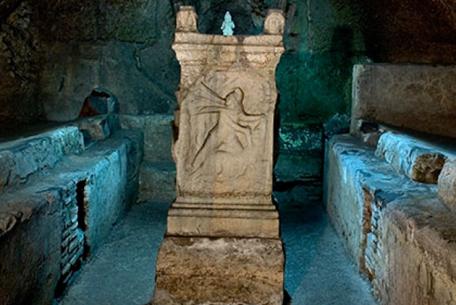
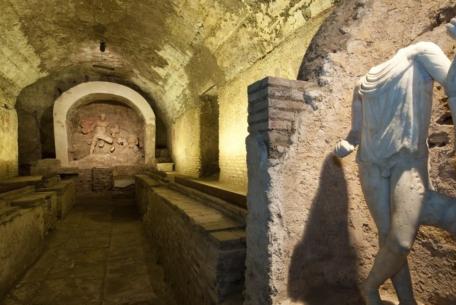
Das Mithraeum wurde 1934 zufällig von den Augustiner-Patres unter der Kirche Santa Prisca entdeckt; für den Ba
[...]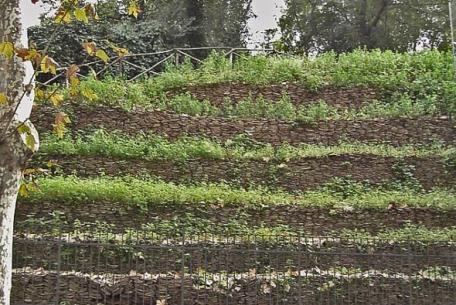
Der Monte Testaccio, im Volksmund auch Monte dei Cocci genannt, ist ein künstlicher Hügel im Hafengebiet des antiken Roms, in der Nähe der Horrea (Lagerhäuser).
[...]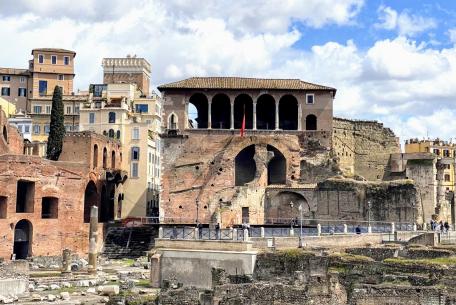
Places and sites of historical, cultural and artistic interest, the monuments of the territory of Rome include historic buildings
[...]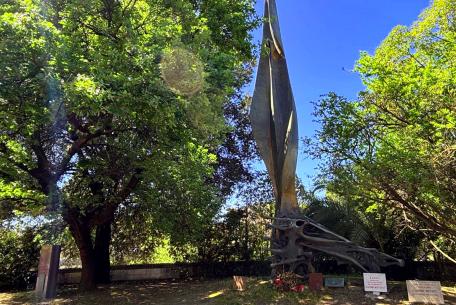
Der antifaschistische Politiker Giacomo Matteotti, Abgeordneter und seit 1922 Sekretär der Vereinigten Sozialistischen Partei, wurde am Nachmittag des 10.
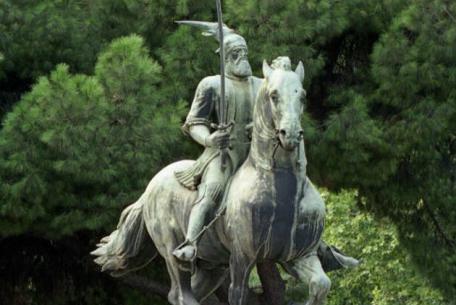
The bronze equestrian statue of the Albanian national hero George Castriota Scanderbeg (1403-1468) is placed on a semi-oval pedestal, which in turn is placed on a
[...]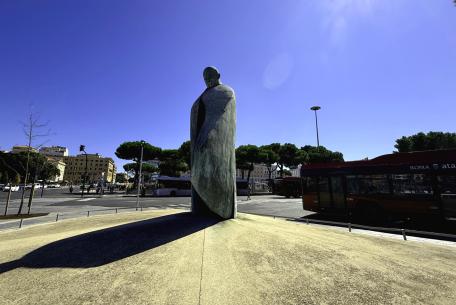
The monument dedicated to Pope Giovanni Paolo II (Karol Jòzef Wojtyla, Wadowice, 18 May 1920 - Vatican City, 2 April 2005) was commissioned from the sculptor Oliviero Rainaldi by t
[...]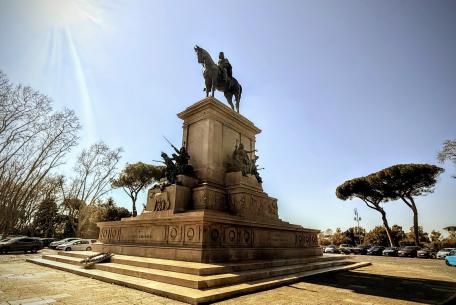
For more than a hundred years, Giuseppe Garibaldi has good-naturedly watched over Rome atop the Janiculum Hill<
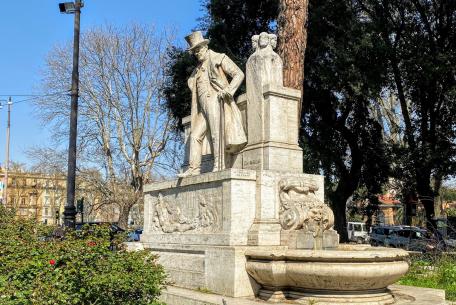
[...]
“Nun fuss’antro pe ttante antichità
bisognerebbe nassce tutti cquì,
perché a la robba che cciavemo cquà
c’è, sor friccica mio, poco da dí”
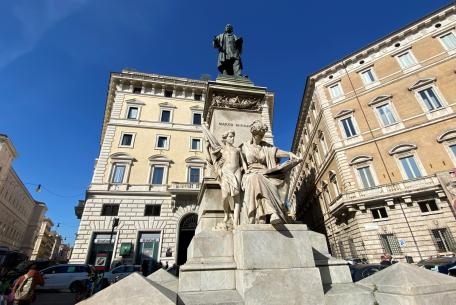
The decision to erect a commemorative monument dedicated to Marco Minghetti (Bologna 1818 – Rome 1886), who served as Prime Minister of the unified Italy several times, was approved by Parliament i
[...]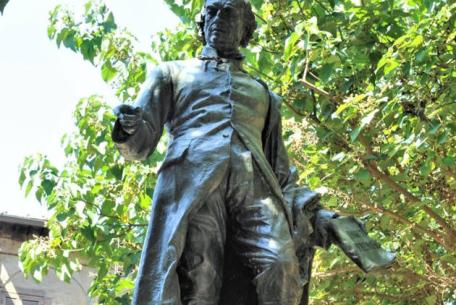
The work consists of a tall granite base, resting on two steps and sloping upward, divided into four registers by string courses.

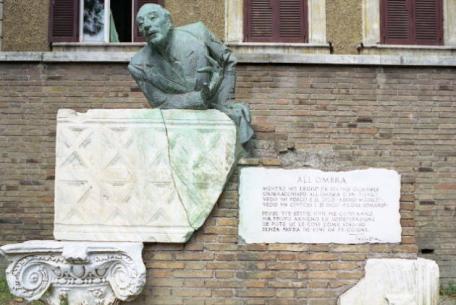
Das einem der berühmtesten Dichter Roms gewidmete Denkmal steht auf dem seit 1952 nach ihm benannten Platz, der
[...]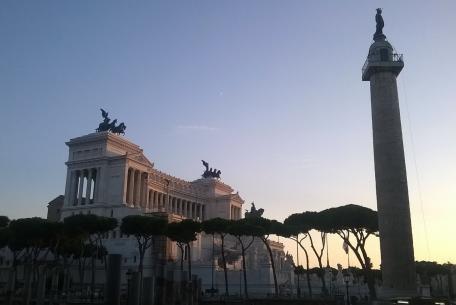
Im Jahr 1878, nur wenige Jahre nach der Vereinigung Italiens, beschloss das italienische Parlament, dem kürzlich verstorbenen König Vittorio Emanuele II.
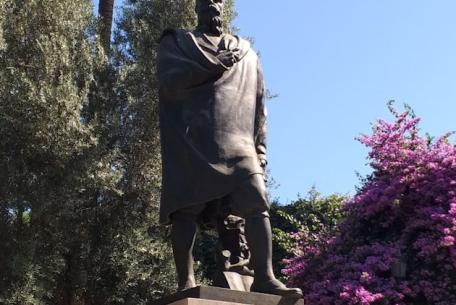
The bronze statue depicts the severe figure of Alfredo Oriani (Faenza 1852 - Casola Valsenio 1909), a man of letters and historiographer active from the 1870s until 1909, the autho
[...]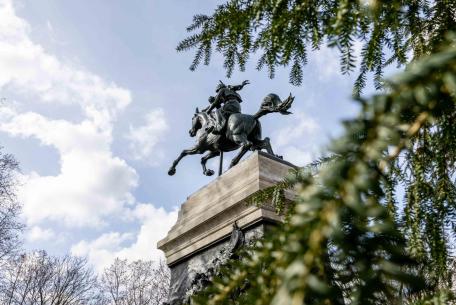
The idea of erecting a monument on the Janiculum Hill dedicated to Anita Garibaldi dates back to 19
[...]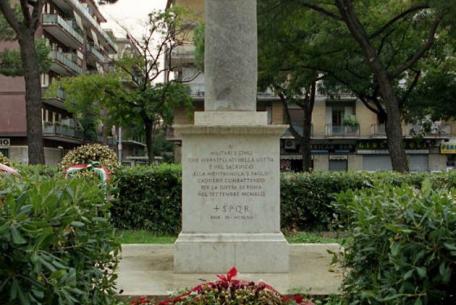
Il monumento ai Caduti della Montagnola, posizionato il 24 marzo 1966, commemora un evento della Resistenza romana, la battaglia del 10 settembre 1943, in cui persero la vita più di cinquanta perso
[...]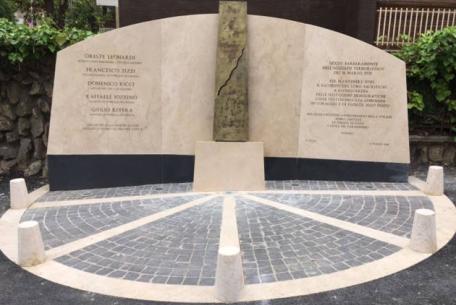
Il 16 marzo 1978 le Brigate Rosse rapirono lo statista democristiano Aldo Moro in Via Mario Fani e ne uccisero la scorta.
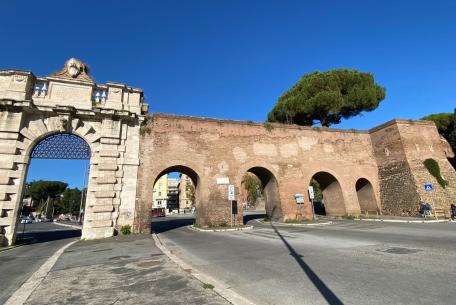
Die Aurelianischen Mauern umgeben noch immer das historische Zentrum Roms und sind die längste und am besten erhaltene Stadtmauer der Welt.
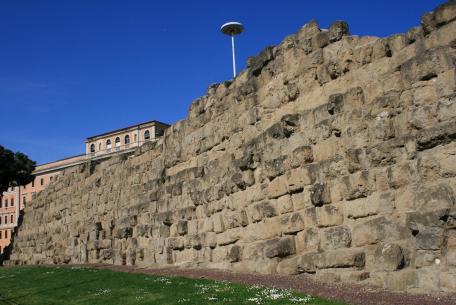
Die Servianische Mauern wurden wahrscheinlich in der Mitte des 6. Jahrhunderts v. Chr.
 Condividi
 Condividi
 Condividi
 Condividi
 Condividi
 Condividi
 Condividi