

















You are here
Antico Ghetto Ebraico
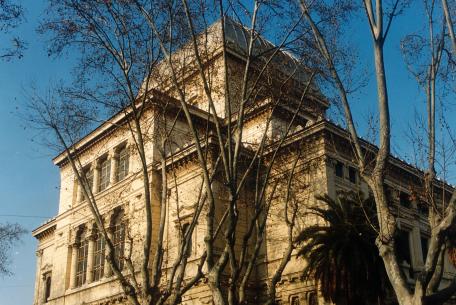
A seguito della breccia a Porta Pia nel 1870 e della conseguente conquist
[...]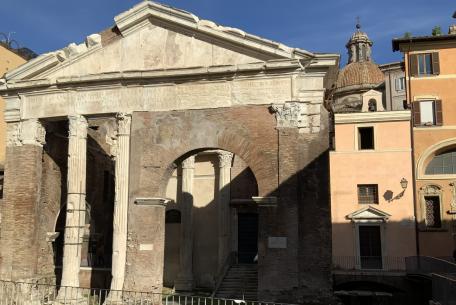
Il complesso del Portico d'Ottavia è l'unico conservato dei grandi portici che limitavano, sul lato settentrionale, la piazza del Circo Flaminio, area che corrispo
[...]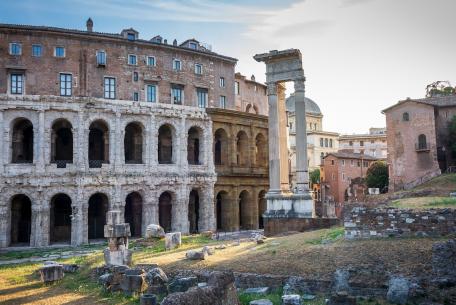
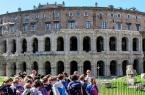
Grandioso edificio della Roma antica, il Teatro di Marcello venne eretto nel Campo Marzio – tradizionalmente consacrato alle rappresentazioni sceniche – sul luogo
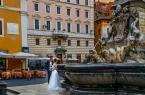
[...]Situato all’interno del Rione XI – Sant’Angelo, l’antico Ghetto ebraico di Roma è uno dei tesori nascosti della Capitale, un piccolo quartiere ricco di testimonianze archeologiche e culturali, oltre che religiose, ma anche di ricercatezze e specialità culinarie che hanno ispirato in maniera significativa la cucina tradizionale romanesca.
Considerato tra i più antichi al mondo – è secondo solo a quello di Venezia (1516) – il Ghetto di Roma nasce nel 1555 su ordine di papa Paolo IV. Le persone al suo interno avevano l’obbligo di risiedervi e di portare sempre con sé un segno distintivo di appartenenza alla comunità ebraica. Inoltre, era loro proibito di commerciare e di possedere beni immobili.
Nel corso della sua storia, il Ghetto fu più volte dismesso, ma si trattò spesso di brevi periodi, ai quali seguirono nuove reclusioni, fino ad arrivare al 1870, con la breccia di Porta Pia e la fine del dominio papale, anno in cui fu definitivamente chiuso.
Nel 1904, venne inaugurato il Tempio Maggiore, la grande Sinagoga, punto di riferimento culturale per l’intera comunità ebraica e, ancora oggi, insieme al Museo Ebraico ospitato al suo interno, una delle principali attrazioni della zona.
Il Ghetto è anche il luogo della persecuzione nazifascista che culminò il 16 ottobre 1943, giorno in cui ebbe luogo il più grande rastrellamento di ebrei della storia. I nomi dei deportati nei campi di sterminio nazisti sono stati impressi nelle Memorie d’inciampo, un sampietrino ricoperto da una lastra in ottone su cui è indicato nome e cognome di chi non è mai tornato. Piccole testimonianze per non dimenticare.
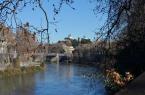
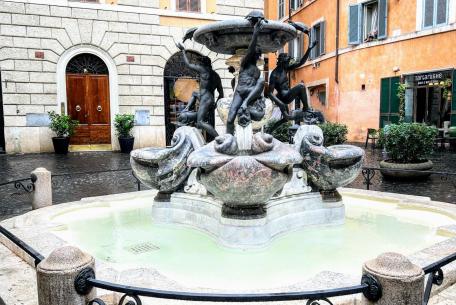
Tra i monumenti di maggior interesse dell’area ci sono il Portico d’Ottavia, la Chiesa di Sant’Angelo in Pescheria, così chiamata perché ricavata all’interno dell’antico mercato del pesce edificato sui resti del Portico d’Ottavia, la casa di Lorenzo Manilio, la Chiesa di San Gregorio in Divina Pietà, intitolata a Papa Gregorio Magno che garantì la libertà di culto agli ebrei già nel ‘500, il Pons Judaeroum, il Ponte dei Quattro Capi, che collega il ghetto ebraico all’Isola Tiberina, la Chiesa di Santa Maria in Campitelli, luogo di preghiera durante la Seconda Guerra Mondiale e la bellissima Fontana delle Tartarughe, firmata anche da Bernini.
Tra le vie e le piazze più suggestive in cui dedicarsi a splendide passeggiate, citiamo via della Reginella, via di Sant’Ambrogio, via del Tempio, piazza delle Cinque Scole e piazza dei Cenci che offrono scorci perfetti da fotografare.
Ma uno dei motivi per cui oggi si visita il ghetto è anche quello di assaggiare le prelibatezze della cucina giudaico-romana e kosher come i carciofi alla giudia, la crostata con marmellata di visciole fresche e ricotta, i filetti di baccalà e il tortino di aliciotti e indivia. Inoltre, accanto ai piatti della ricca tradizione gastronomica ebraico-romanesca e delle rinomate pasticcerie, tra cui l’unica austriaca di Roma, nei tanti locali del quartiere potrete anche gustare ricette fusion che mescolano la cucina ebraica tradizionale con quella internazionale.