The Flavian Amphitheatre (The Colosseum)
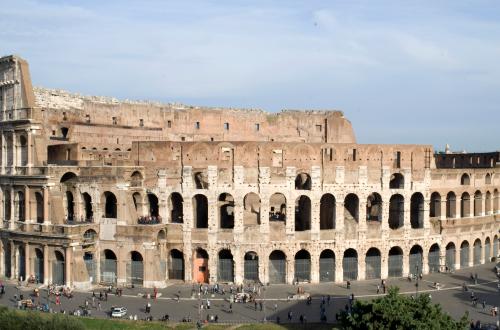
The Flavian Amphitheatre (The Colosseum)
Monuments
 Condividi




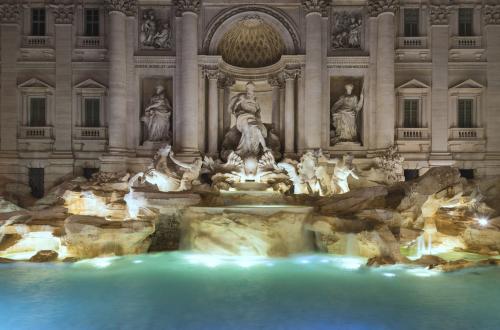
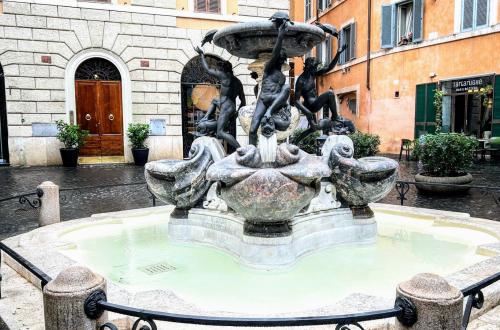
The most famous of the Roman fountains: a jewel of water and stone
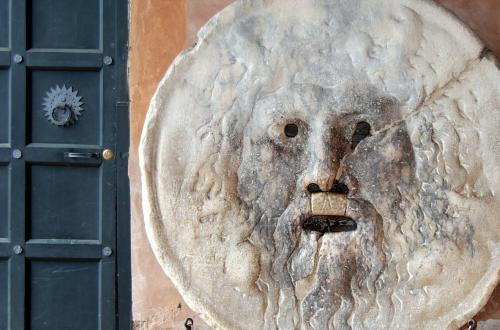
According to legend, the history of Rome begins right here

An unmissable opportunity to plan your own future in the field of Fashion
Rome is a perfect destination for tourism and in particular for school trips
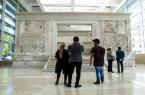
The inestimable artistic heritage of Rome is the preferred destination for the many students who decide to benefit from the many cultural opportunities that the city offers
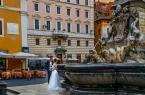
Rome is the perfect choice for a romantic and refined wedding, enriched by a millenary history

Tradition, sartorial mastery, and innovative technologies in a unique setting

Glamour, myth and beauty: a city where even fashion is a legend
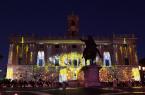
Beauty and art, magnificent spectators of a thousand-year history
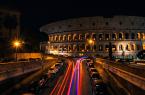
The endless opportunities for fun in Rome
Rome is the ideal destination for Tourism Business
How and where to see live sporting events

How and where to train body and mind in the second greenest capital of Europe
History, fascinating facts, and useful information to fully experience the magic of the Eternal City

Seven unusual itineraries to discover the city from new perspectives
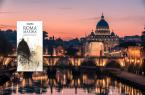
Stories, places, and secrets – a guidebook to an eternal city.

A puzzle of voices and experiences: bloggers explain Rome

A great wealth of knowledge and experience accumulated in the past
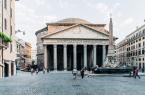
Wealth, splendor and magnificence immersed in the magic of history
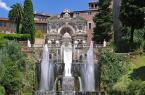
Discover the amazing city and its magnificent villas


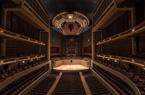


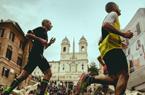
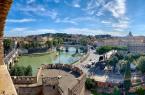
An itinerary between millenary architectures and daring contemporary visions
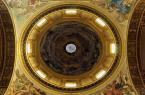
Rome, the ideal setting for cinema masterpieces and great melodies
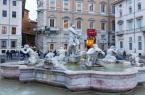
A trip inside the museums between Piazza Navona and its surroundings

An exciting itinerary for visitors with only a short time to discover the city’s main attractions

Three intense days to experience the unmissable attractions of Rome
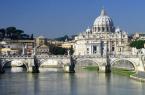
A perfect five day itinerary for an unforgettable Roman holiday
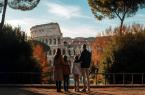
Indoor & outdoor activities and attractions

Discovering precious collections from prehistory to contemporary art
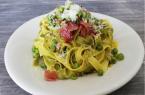
Rome's cuisine: intense and genuine flavors and a strong identity

The marine soul of Rome
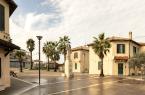
Flavours and ancient traditions in a place where time seems to have stopped
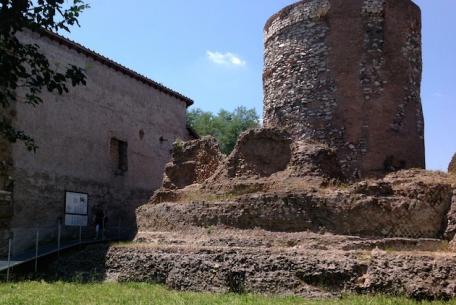
The building stands in front of the Domine quo vadis church, at the crossroads between the ancient Appian Way and the Ardeatina Way and is partly hidden between two farmho
[...]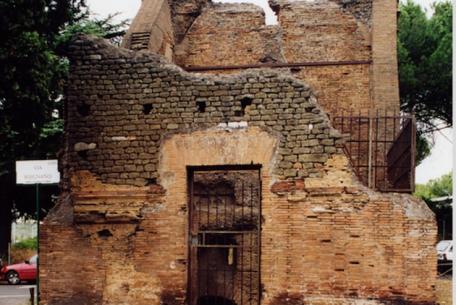
The Sepulcher located on the via Appia Nuova, along the route of the road to Castrimoenium, dates back to the second half of the second century. A.D.
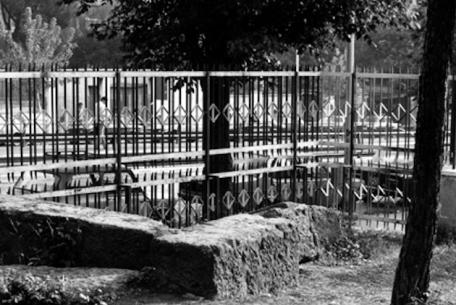
The remains of the tomb can be found today in the Tor Pignattara area, between via Casilina and the Tuscolano district and consist of large square blocks of gabina
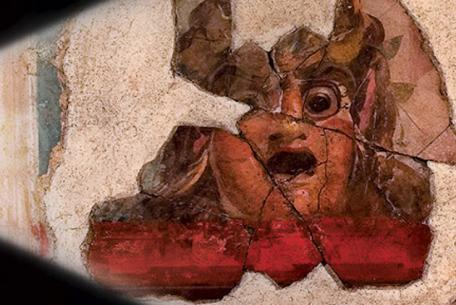
[...]
Un itinerario che attraversa il Foro Romano e il Palatino, arricchito da videoproiezioni, lightmapping<
[...]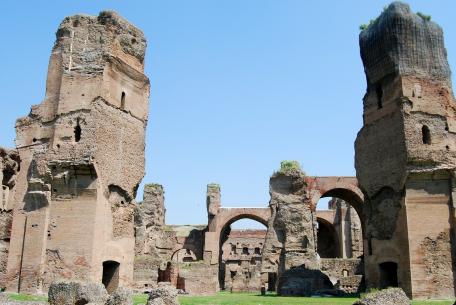
Fundamental to the subsistence of the complex, the underground passages of the Baths of Caracalla teemed with hundreds of slaves and workers who ran the ingenious technological machine
[...]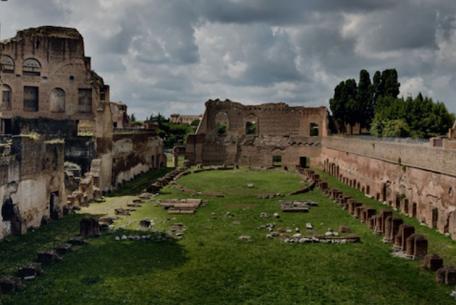
The area, which occupies the eastern side of the imperial palace built on the Palatine Hill, constituted
[...]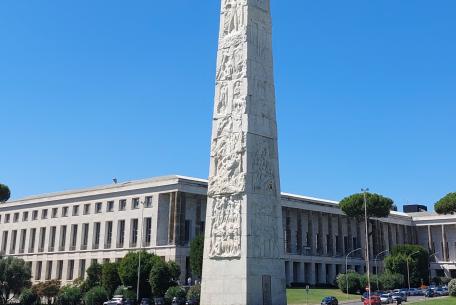
At the centre of Piazza Guglielmo Marconi, previously Piazza Imperiale, stands the obelisk, created by Arturo Dazzi, dedicated to the celebrated Italian ph
[...]
The Tabularium, an imposing late-Republican building on whose remains the Palazzo Senatorio
[...]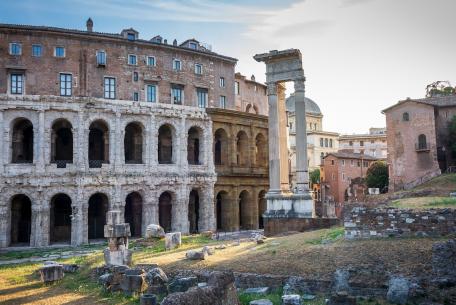
A grandiose building of ancient Rome, the Theatre of Marcellus was erected in the Campus Martius - traditionally consecrated to stage performances - on the site of the thea
[...]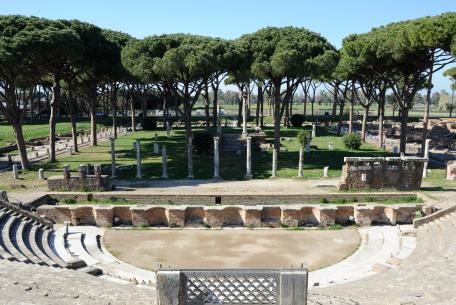
Located within the archaeological area of the excavations, the Roman theatre of Ancient Ostia was built under the reign of Augustus at the end of the 1st century BC.
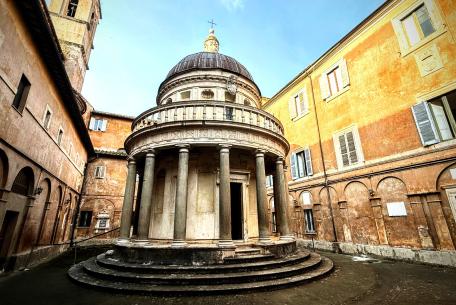
On the Janiculum hill, inside the complex of San Pietro in Montorio, there is this small architectural
[...]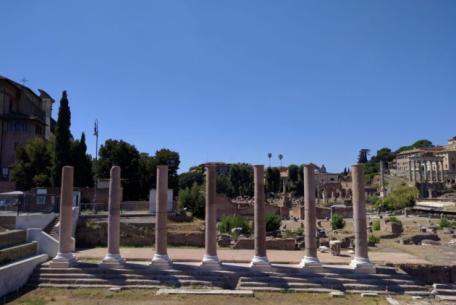
The Temple of Peace, called the Forum of Peace from the late imperial period, was built by Emperor Vespasian between 71 and 75 AD to commemorate the Roman victory in Judea of 70 AD.
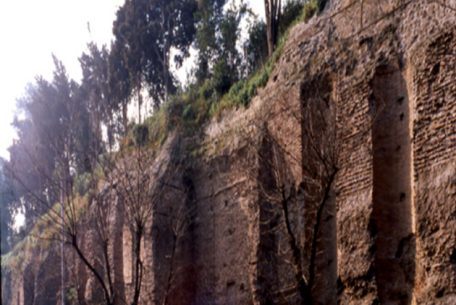
The templum divi Claudii, which stood on the western slope of the Caelian Hill
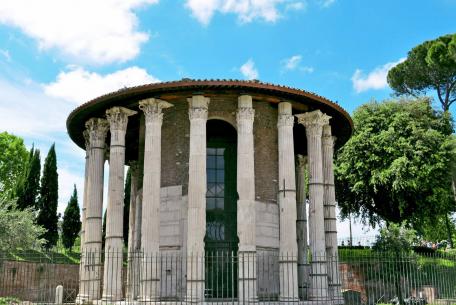
[...]
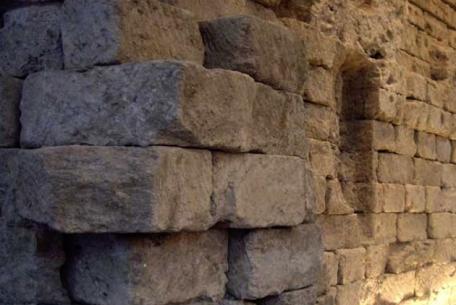
The Temple of Jupiter stood on the Capitoline Hill and was dedicated to the
[...]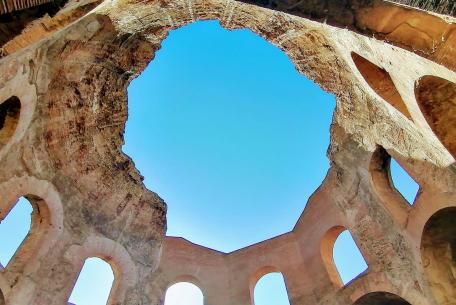
The so-called Temple of Minerva Medica is located in the Esquilino district, in Via Giolitti, next to the Rome-Pantano urban railway line.
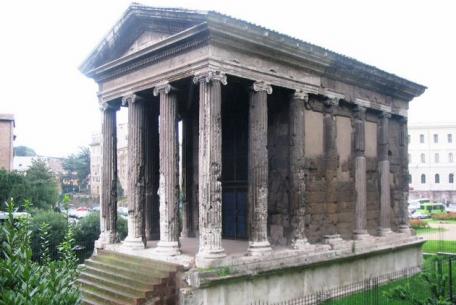
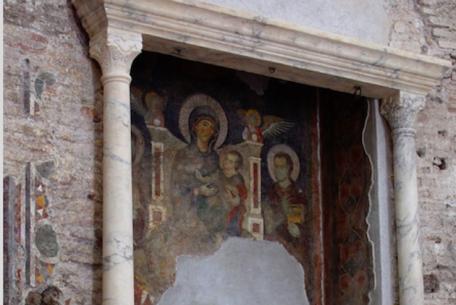
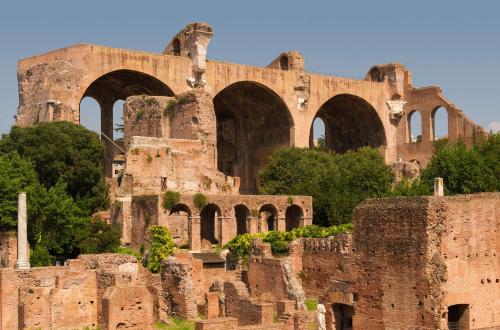
The so-called Temple of Romulus stands in the archaeological area of the Roman Forum,
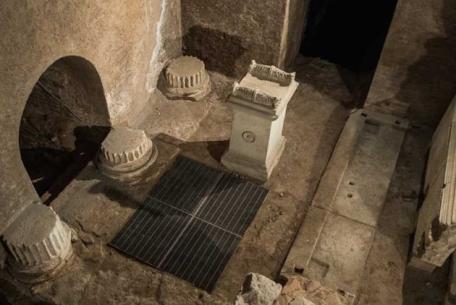
[...]
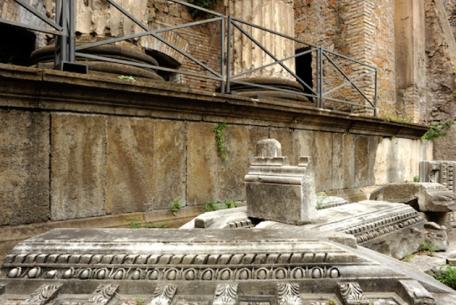
The remains of the temple, consisting of part of the podium and two columns with Corinthian capitals, came to light in 1938 during the demolitions for the enlargement of via delle Botteghe Oscure,
[...]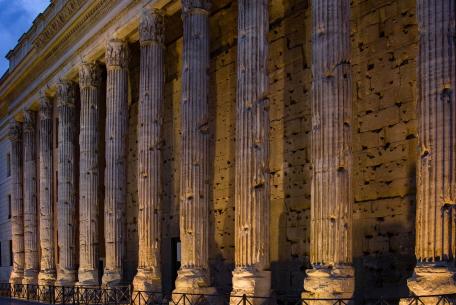
Probably, the construction of the building was commissioned by Emperor Hadrian who intended to dedicate it to his wife Vibia Sabina, who died and was then deified
[...]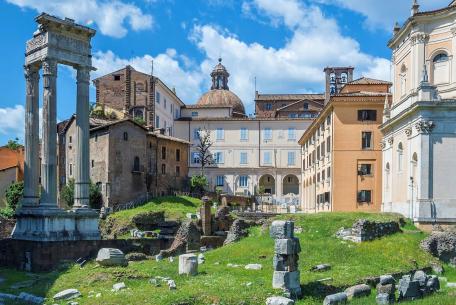
On the right of Portico di Ottavia, in the Hebrew district, the remains of a temple dedicated to God Apollo are still visible today near to the Theatre of Marcellus
[...]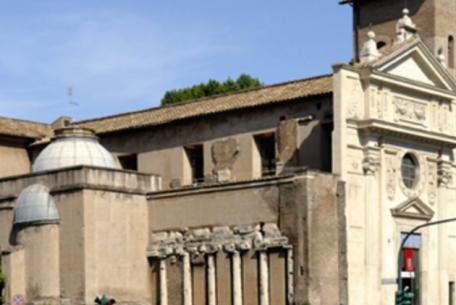
The remains of the three temples stand in the Sant'Angelo district, near
[...]
Built by the Emperor Decius (249-251 AD) in 249, the Decian Baths (in Latin Thermae Decianae) were a thermal complex built on the
[...]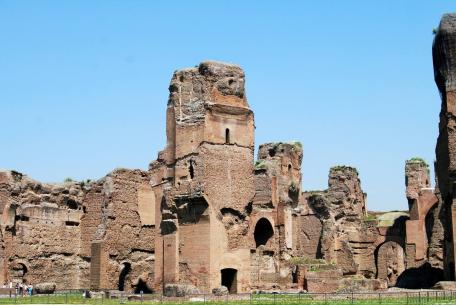
The Thermae Antonianae, one of the largest and best preserved thermal complexes of antiquity, was built at the behest of the Emperor Caracalla on the
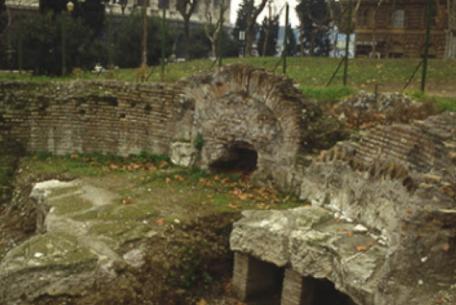
The baths built by Titus and dedicated in 80 AD are one of the oldest examples of Roman baths of “imperial” age and type.
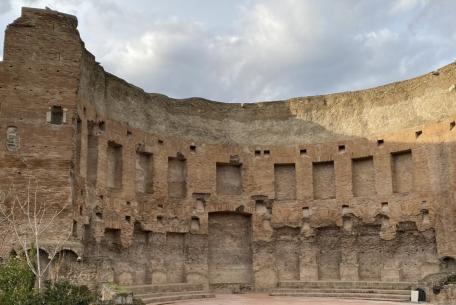
The Thermae Traiani or Thermae Traianae rise on the top of Colle Oppio, in the third Augustan region and were built, as we know from ancient literary sources, on
[...]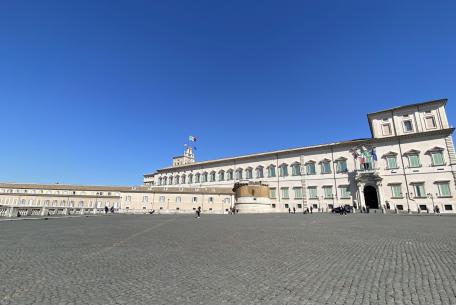
At the top of the steps that rise from Via della Dataria, the charming terrace of the Quirinale, one of the privileged points of view over the city, extends a few steps from the suggestive alleys t
[...]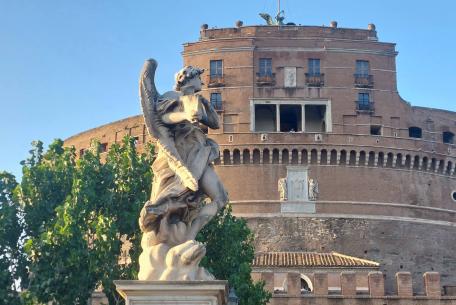
From Castel Sant’Angelo, you can enjoy a spectacular view of the entire city: enter the cast
[...]
Condividi
 Condividi
 Condividi
 Condividi
 Condividi
 Condividi
 Condividi