Amphitheatrum Flavium - Kolosseum
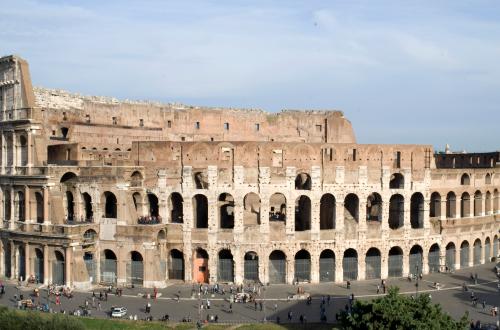
Amphitheatrum Flavium - Kolosseum
Monumente
 Condividi




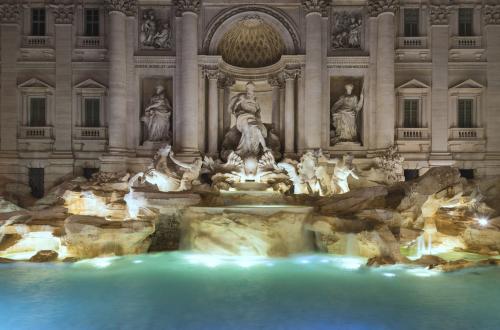
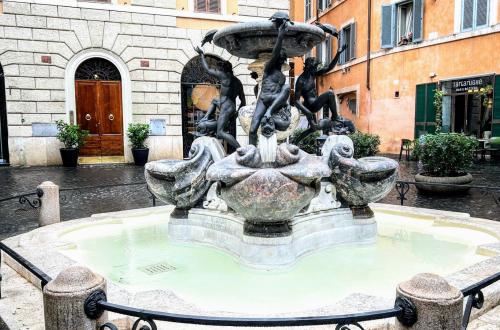
The most famous of the Roman fountains: a jewel of water and stone
Secondo la leggenda, la storia di Roma comincia proprio da qui

An unmissable opportunity to plan your own future in the field of Fashion
Rome is a perfect destination for tourism and in particular for school trips
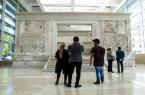
The inestimable artistic heritage of Rome is the preferred destination for the many students who decide to benefit from the many cultural opportunities that the city offers
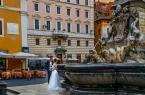
Rome is the perfect choice for a romantic and refined wedding, enriched by a millenary history

Tradition, sartorial mastery, and innovative technologies in a unique setting

Glamour, myth and beauty: a city where even fashion is a legend
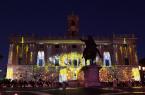
Beauty and art, magnificent spectators of a thousand-year history
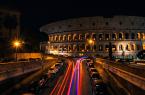
The endless opportunities for fun in Rome
Roma è la destinazione ideale per il turismo Business
How and where to see live sporting events

Come e dove allenare corpo e mente nella seconda capitale più verde d'Europa
Geschichte, Wissenswertes und nützliche Informationen, um den Zauber der Ewigen Stadt in vollen Zügen zu genießen
Seven unusual itineraries to discover the city from new perspectives
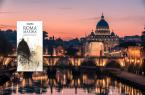
Stories, places, and secrets – a guidebook to an eternal city.

A puzzle of voices and experiences: bloggers explain Rome

A great wealth of knowledge and experience accumulated in the past
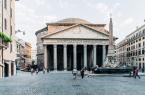
Reichtum, Prunk und Pracht, eingetaucht in die Magie der Geschichte
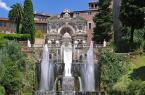
Entdecken Sie Tivoli und seine wunderschönen Villen


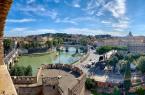
Un itinerario tra architetture millenarie e ardite visioni contemporanee
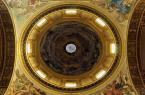
Rom, die ideale Kulisse für Meisterwerke des Kinos und große Melodien
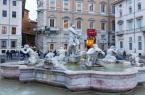
Eine Reise in die Museen der Piazza Navona und Umgebung

Eine Route für diejenigen, die nur wenig Zeit haben, um die Sehenswürdigkeiten Roms kennenzulernen
Rom erleben in drei intensive Tage
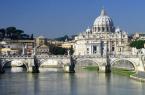
A perfect five day itinerary for an unforgettable Roman holiday
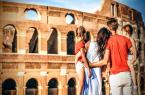
Indoor & outdoor activities and attractions
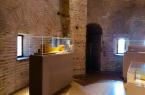
Discovering precious collections from prehistory to contemporary art
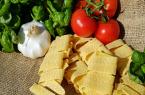
Simple and delicious traditional recipes

Typical sweets of the Roman Castles of very ancient origin
Die Meeresseele Roms
Aromen und alte Traditionen an einem Ort, an dem die Zeit still zu stehen scheint
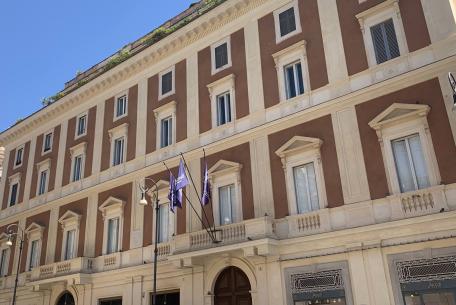
Obwohl sein historischer Kern bis ins 13. Jahrhundert zurückreicht, wurde der Palast im 15.
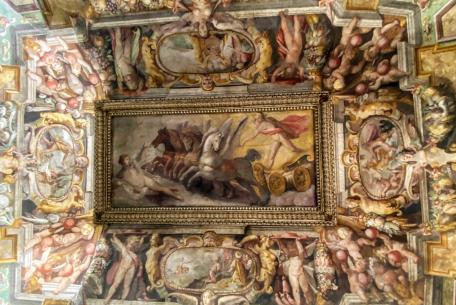
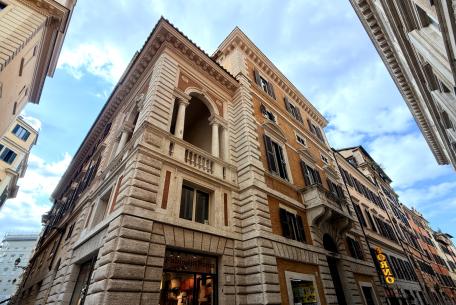
Located between Via del Corso and Via della Scrofa, the 16th-century Palazzo Firenze is a histor
[...]
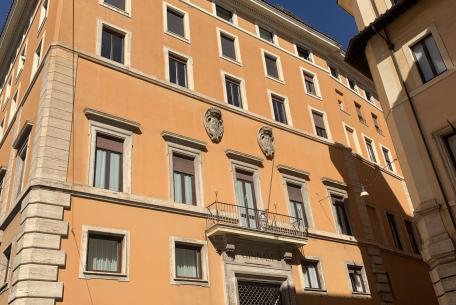
In 1528, the Florentine banker Luigi Taddeo Gaddi bought a modest house in Via del Banco di Santo Spirito from the Strozzi family, on the site of which he immediately built the family palace, using
[...]
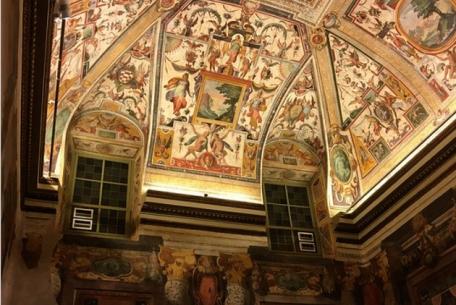
The current Palazzo Ginnasi is the building that replaces the old Palazzo Ginnasi, partially demolished between 1935 and 1940 when the street was widened, of which it still retains the two coats of
[...]
It was built at the end of the sixteenth century at the behest of Monsignor Francesco Vento.
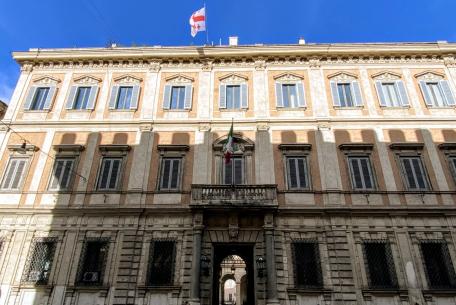
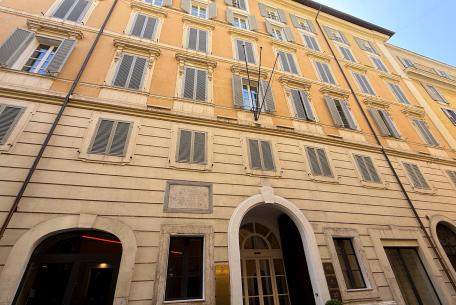
Located on Via del Plebiscito, just a few steps from Via del Corso, Palazzo Grazioli, as we see it today
[...]
Palazzo Incontro is a historic building in Rome, located in the Campo Marzio district, built in the second half of the 18th century, exactly in 1765 by the architect Giovanni Paolo Burij.
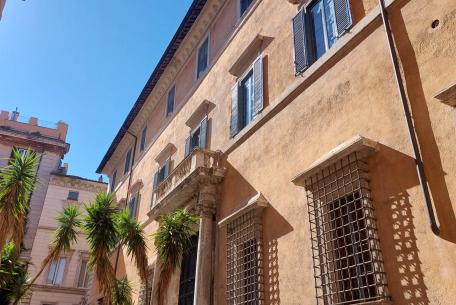
It was build at the end of the 16th century by Cardinal Scipione Lancellotti, who commissioned it to Francesco da Volterra and was completed by Carlo Maderno.
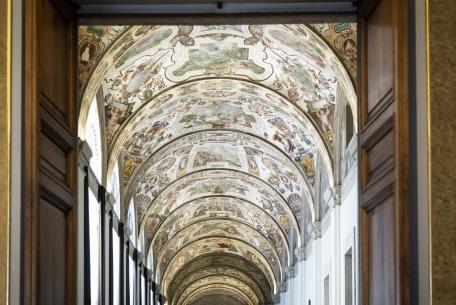
Eine Reise durch die Geschichte der Kirche.
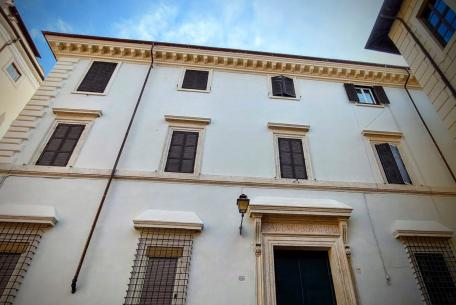
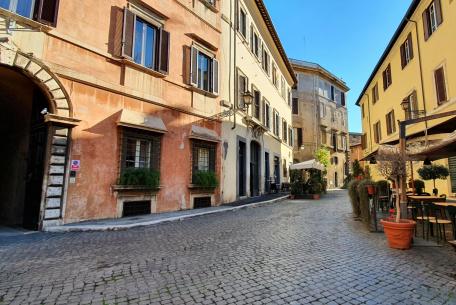
The palace dates back to the early seventeenth century and belonged to the Maccarani family; in the second half of the 17th century it was purchased by the Odescalchi Princes, who still own it, and
[...]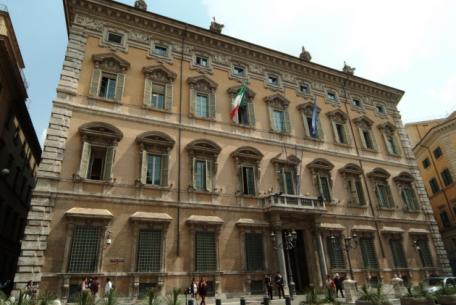
Das Grundstück, auf dem der Palazzo Madama errichtet wurde, wurde 1478 von den Mönchen der kaiserlichen Abtei von Farfa an Frankreich abgetreten, das einen Ort suchte, um französis
[...]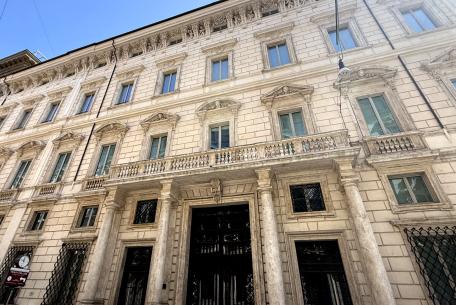
The Palace, now the headquarters of the Banco di Sicilia, was built in 1662 to a design by Carlo Rainaldi for the Duke of Nevers, Filippo Giuliano Mazzarino Mancini.
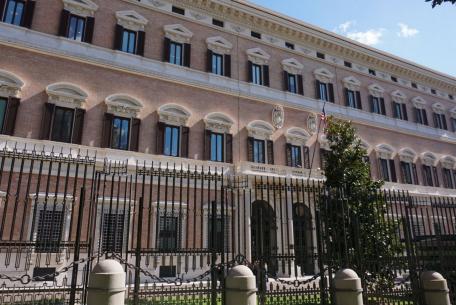
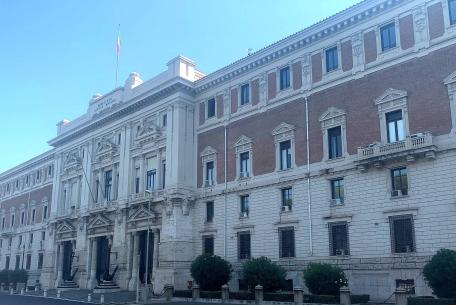
The Palace, designed by architect Giulio Magni, Valadier's nephew, was started in 1912, and was inaugurated on 28 October 1928.
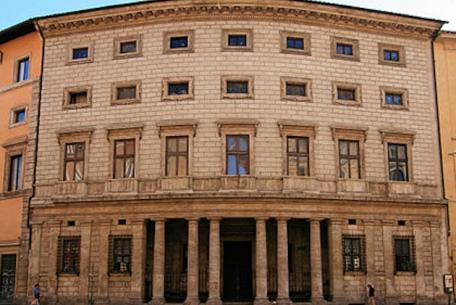
Der Palast steht im Stadtzentrum, am Corso Vittorio Emanuele II, und ist das Meisterwerk des Architekten Baldassarre Peruzzi.
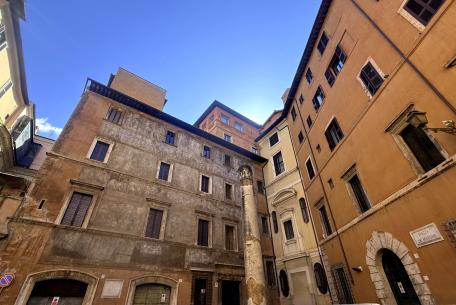
Its name was taken from a statue of the god Mars found in the foundation excavations and mistakenly believed to be a representation of the leader Pyrrhus, king of Epirus, defeated by the Romans in
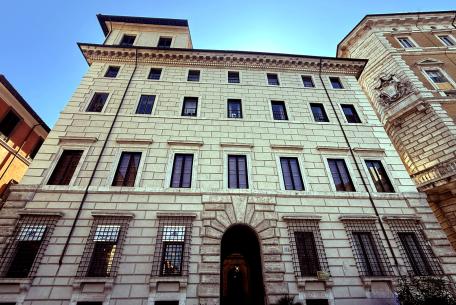
[...]
In 1508 Luigi De Torres had the palace built by the Neapolitan architect Pirro Ligorio to make it the family palace.
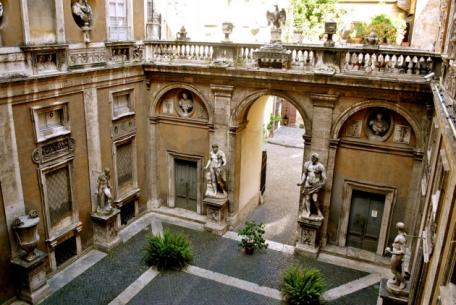
Palazzo Mattei in der Via Michelangelo Caetani wurde zwischen 1598 und1617 von dem Architekten Carlo Maderno geschaffen.
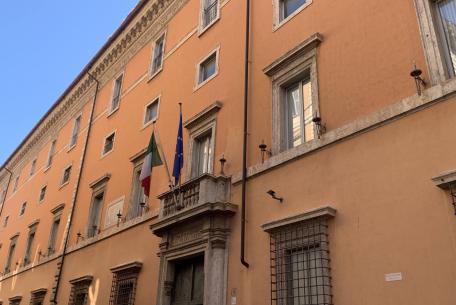
The building, located in Piazza Paganica, was erected in 1541 at the behest of Ludovico Mattei, Duke of Paganica, to a design attributed to Nanni di Baccio Bigio.
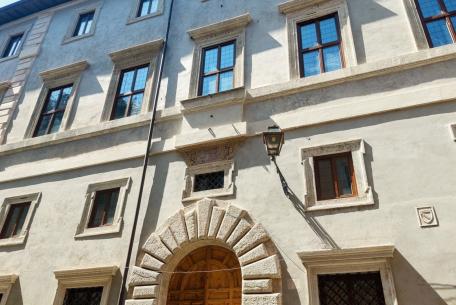
The Sangallo Medici Clarelli Palace was built by Antonio da Sangallo the Younger (1483-1546) together with his co-worker Dosio around 1535 as his private residence.
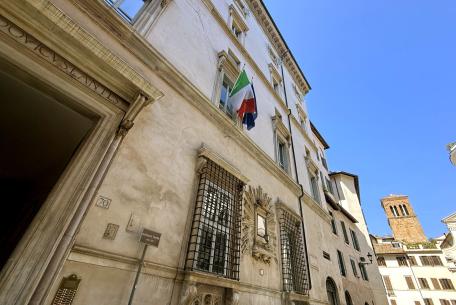
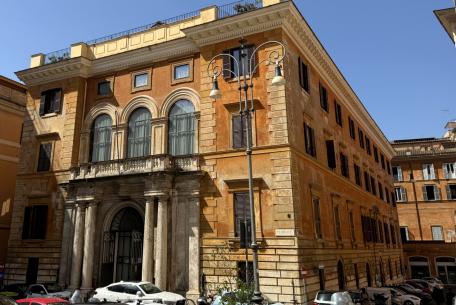
The palace was built in 1660 by De Rossi, a pupil of Bernini, probably on the occasion of the marriage of Pompeo Muti Papazzurri to Maria Isabella Massimo.
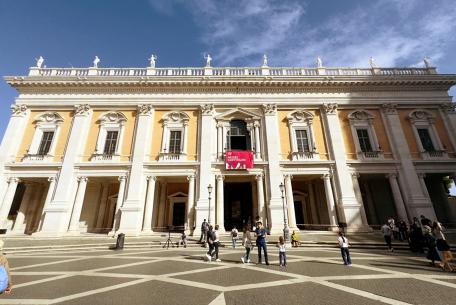
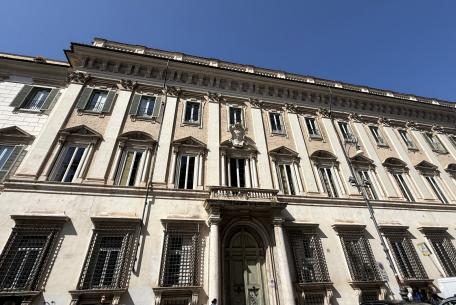
The original core of the palace dates back to the 15th century, when it was the residence of the Benzoni family.
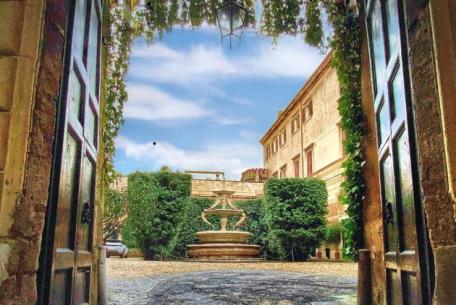
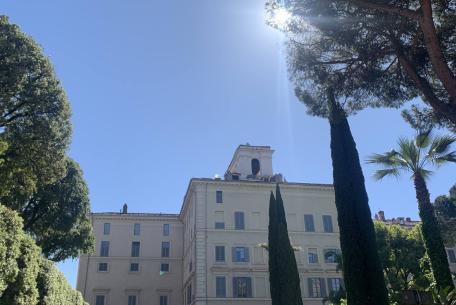
The palace is composed of different buildings taking up an entire artificial hill, which was perhaps formed on the stone materials coming from a nearby Tiber river port and which w
[...]
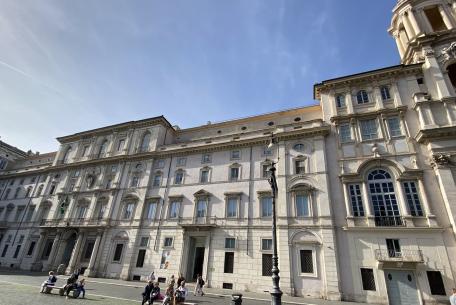
Giovanni Battista Pamphilj, der 1644 zum Papst geweihte Innozenz X (1644-1655) wollte verschiedenen Besitze im Umkreis von Piazza Pasquino in einem einzigen grossen Gebäudevereinig
[...]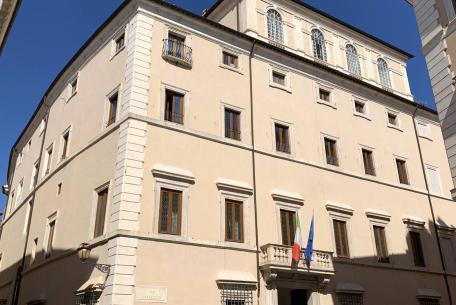
The palace was built at the end of the 16th century by an unknown family, whose abraded coat of arms can be seen on the cornice and in the courtyard, on the site of the Melangolo Tower, shown on Bu
[...]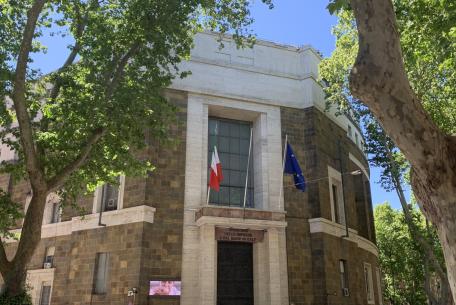
Il Ministero delle Imprese e del Made in Italy ha sede nello storico Palazzo Piacentini, realizzato da due figure di spicco del panorama architettonico italiano: M
[...]
Condividi
 Condividi
 Condividi
 Condividi
 Condividi
 Condividi
 Condividi