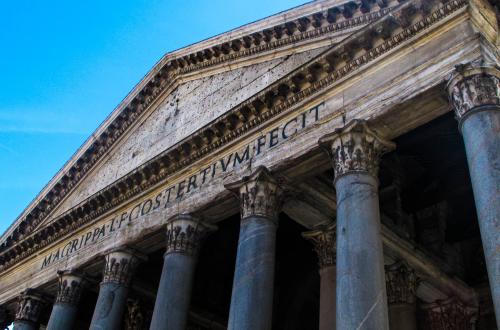
L’Amphithéâtre Flavio (Colisée)
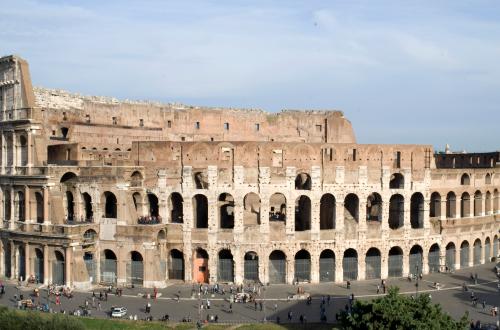
L’Amphithéâtre Flavio (Colisée)
Monuments
 Condividi




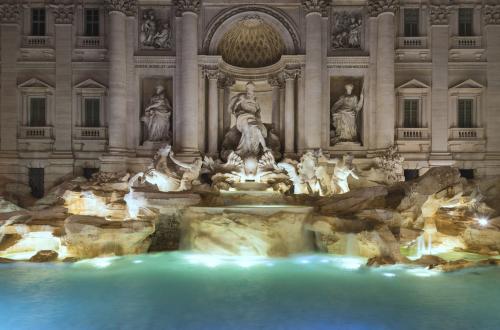
La plus célèbre des fontaines romaines: un joyau d'eau et de pierre
Selon la légende, l'histoire de Rome commence ici

An unmissable opportunity to plan your own future in the field of Fashion
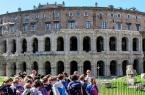
Roma è una meta perfetta per il turismo e in particolare per il settore di visite e viaggi scolastici
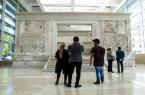
The inestimable artistic heritage of Rome is the preferred destination for the many students who decide to benefit from the many cultural opportunities that the city offers
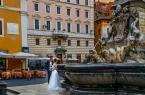
Rome is the perfect choice for a romantic and refined wedding, enriched by a millenary history

Tradizione, maestria sartoriale e tecnologie innovative in un contesto unico al mondo

Glamour, mito e bellezza: una città dove anche la moda è leggenda
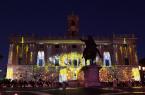
Beauty and art, magnificent spectators of a thousand-year history
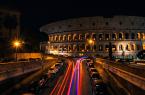
The endless opportunities for fun in Rome
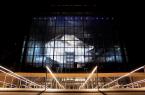
Roma è la destinazione ideale per il turismo Business
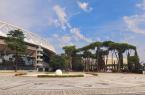
Come e dove vivere in diretta le emozioni degli eventi sportivi

Come e dove allenare corpo e mente nella seconda capitale più verde d'Europa
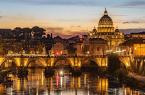
Storia, curiosità e info utili per vivere appieno la magia della Città Eterna
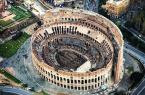
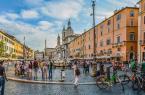
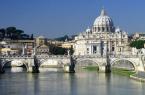

Seven unusual itineraries to discover the city from new perspectives
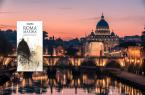
Stories, places, and secrets – a guidebook to an eternal city.

A puzzle of voices and experiences: bloggers explain Rome

Une grande richesse de connaissances et d'expériences accumulées dans le passé
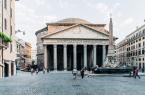
Richesse, splendeur et magnificence immergées dans la magie de l’histoire
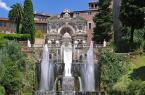
Découvrez la charmante Tivoli et ses merveilleuses villas


Un itinerario tra architetture millenarie e ardite visioni contemporanee
Rome, la scénographie idéale de chefs-d’œuvre du cinéma et de grandes mélodies
Un voyage dans les musées de la Piazza Navona et ses environs

Un itinéraire pour ceux qui veulent, en peu de temps, connaître les incontournables attractions de Rome

Trois jours intenses pour découvrir les attractions incontournables de Rome
A perfect five day itinerary for an unforgettable Roman holiday
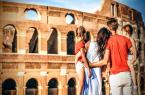
Indoor & outdoor activities and attractions
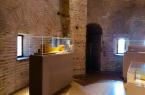
À la découverte de précieuses collections de la préhistoire à l’art contemporain

Les recettes simples et savoureuses de la tradition

Un dessert typique des Chateaux Romains d'origine très ancienne

L'âme marine de Rome
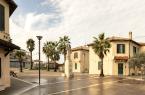
Saveurs et traditions anciennes dans un lieu où le temps semble s’être arrêté
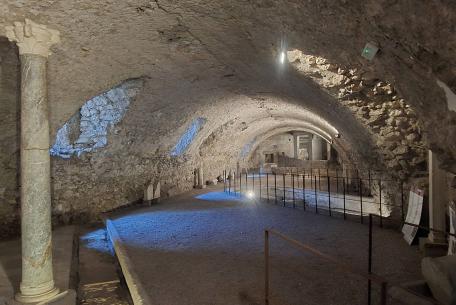
Below the Ospedale San Giovanni, an excavation has brought to light a building dating from the 1st to the 4th century, which has been identified as the home of the mother of Emperor Marcus Aurelius
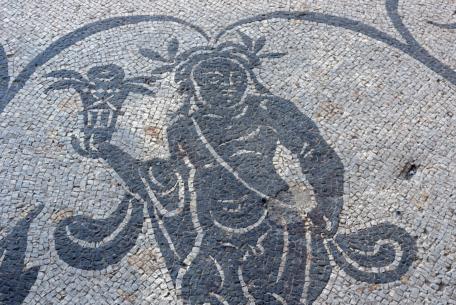
[...]
Aujourd'hui, c'est une zone archéologique entourée par la nature, créant une atmosphère hors du temps, mais dans la Rome antique, c'était la somptueuse résidence que Livia, la
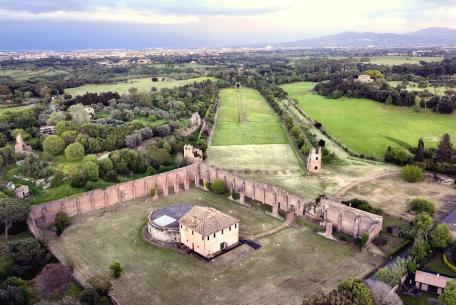
Le complexe de la Villa de Maxence s'étend entre le deuxième et le troisième kilomètre de la Via Appia Antica<
[...]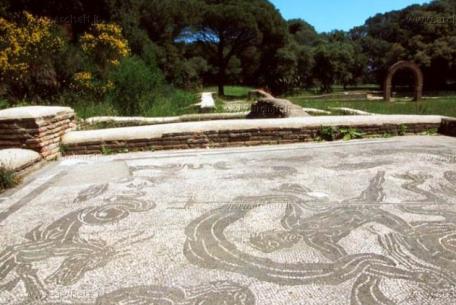
Au cours des journées ensoleillées, il est difficile de renoncer à une journée en plein air à Ostie, même au cœur de l'hiver.
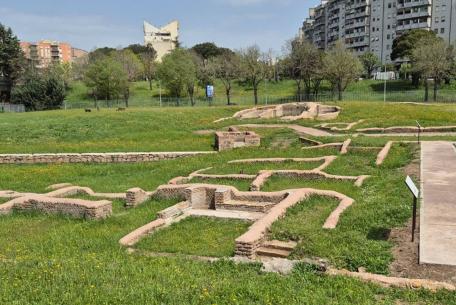
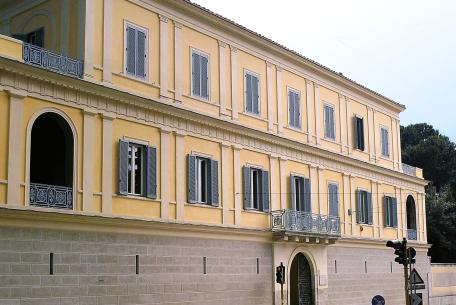
The present palazzina Vagnuzzi was built by restoring the so-called 'casino del Monte', dating from the 16th century, which had been part of the Villa Poniatowski since the 17th century.
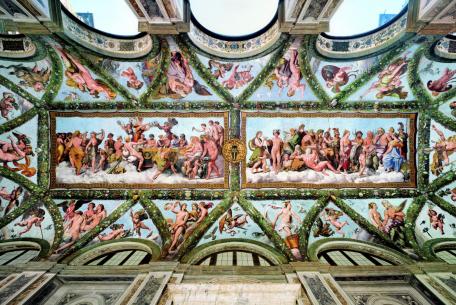
La Villa della Farnesina, au numéro 230 de la via della Lungara, était la résidence du banquier Agostino Chigi, construite sur un projet de Baldassare Peruzzi entre 1505 et 1520, puis passée en 159
[...]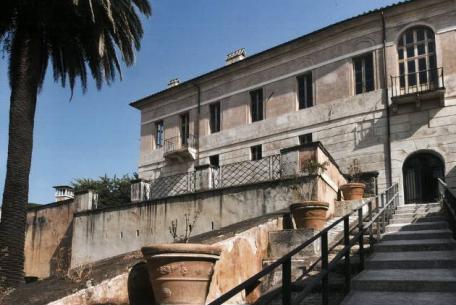
Situé dans le quartier Flaminio, l'édifice, autrefois connu comme Villa Cesi
[...]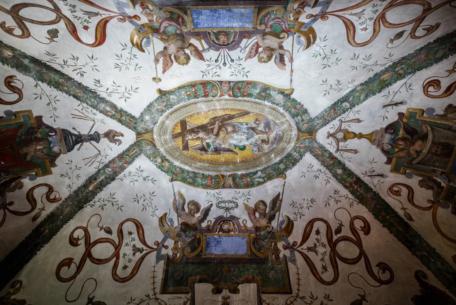
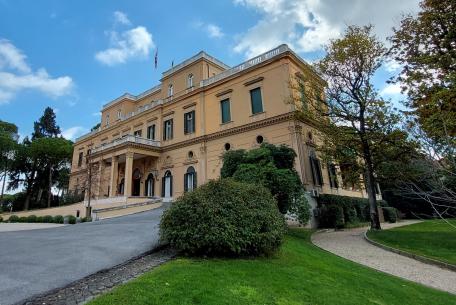
À quelques pas de la basilique Saint-Jean-de-Latran se trouve la Villa Wolkonsky
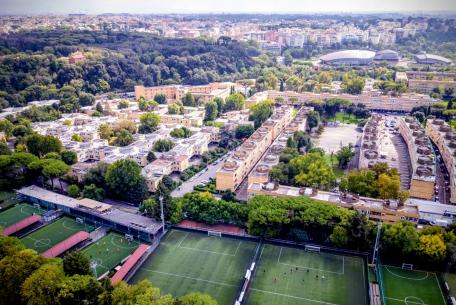
[...]
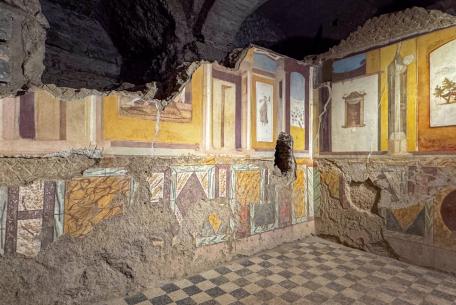
These are two buildings from the Roman era discovered in 1915-1916 beneath the Basilica of San Sebastiano, traditionally known as Villa Grande (2nd century AD) and Villa Piccola (4th century AD).
[...]
The Villino Corsini is an elegant eighteenth-century building of the Villa Corsini, purchased in 1856 by Prince Filippo Andrea V Doria Pamphilj and annexed to the large villa outside Porta S.
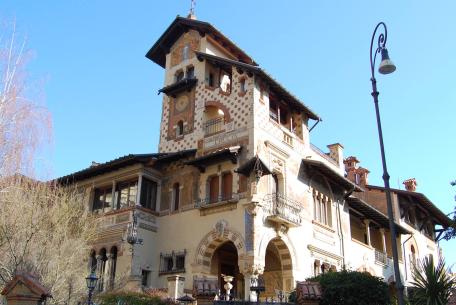
Situated in the Coppedè district, the building is characterised by a total asymmetry, with medieval arches and friezes made from the fusion of different materials, such as marble, brick, travertine
[...]Gli acquedotti Claudio e Aniene Nuovo iniziati a costruire nel 38 d.c.
During the period between 2008 and 2009, in advance of the Pauline Year, during excavation work for the construction of a number of pilgrims' services, a series of archaeological remains dating bac
[...]The Teutonic Cemetery is a burial site in Rome adjacent to St. Peter's Basilica. Burial is reserved for members of the Confraternity of Our Lady of the German Cemetery, which owns the cemetery.
House where the Transit of St Benedict Labre (Benoit-Joseph Labre), the French pilgrim who died in 1783 in front of the Church of Santa Maria ai Monti, took place.
The House of Arms is one of the buildings of the Foro Italico, the vast sports complex designed by Enrico Del Debbio at the foot of Monte Mario and inaugurated in 1932 as the Foro Mussolini.
The works for the construction of the new dining hall of the Barracks of the Cuirassiers along via XX Settembre, brought to light some ancient structures that included a tract of the Servian Walls,
[...]Il Casino de Rossi alla Lungara è la sede del Collegio Sacerdotale Tiberino.
The Praetorian Camp was built by Emperor Tiberius between 21 and 23 AD.
Area funeraria situata lungo la Salaria Vetus. Il cimitero, che risale alla prima metà del III sec.
The catacombs have been named after the Roman martyr Felicita, who had converted to the Christian religion and was executed in 165 AD under Emperor Antoninus Pius.
A funeral area located along the Via Ostiense.
Originally part of the catacomb of St. Sebastian, now independent from the rest. It developed in the fourth century in connection with, the cult of St. Eutichio.
Located in the underground area of Giovannipoli Park, the Catacombs of Commodilla, a Christian matron, contain, among other things, the crypt with the tombs of the martyrs Felix and Adautto, some B
[...]The Ponziano Catacombs are probably named after the owner of the land. The Cemetery had its greatest development in the 4th century.
The catacombs perhaps take their name from the local landowner of the time and were known as far back as the 16th century, although excavated between 1847 and 1872.
On the site stands the church of St Theresa of the Child Jesus in Panfilo, built between 1929 and 1932.
Condividi
 Condividi
 Condividi
 Condividi
 Condividi
 Condividi