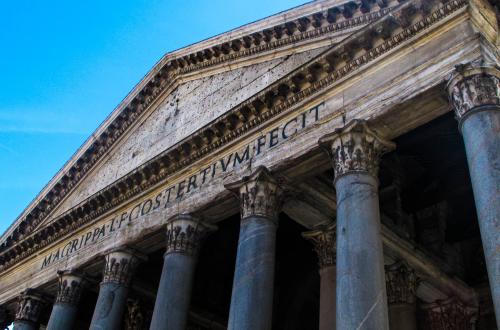
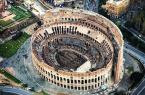
L’Amphithéâtre Flavio (Colisée)
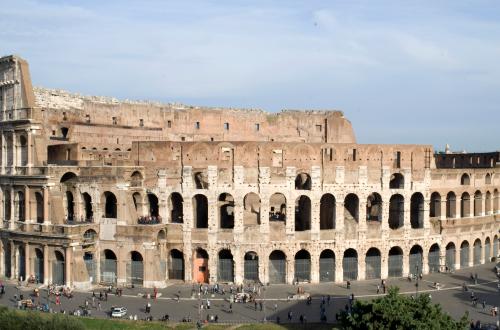
L’Amphithéâtre Flavio (Colisée)
Monuments
 Condividi




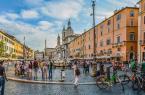
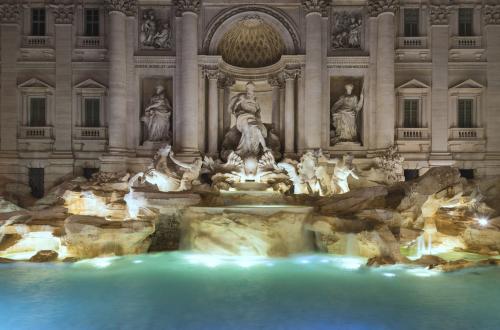
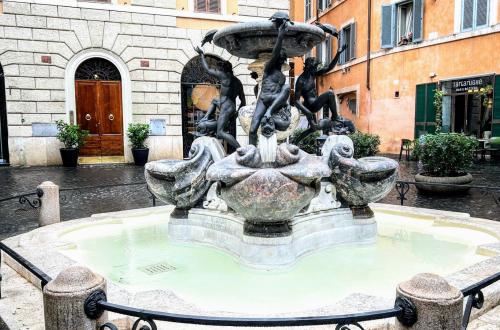
La plus célèbre des fontaines romaines: un joyau d'eau et de pierre
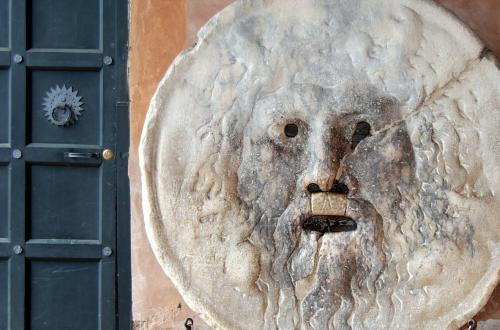
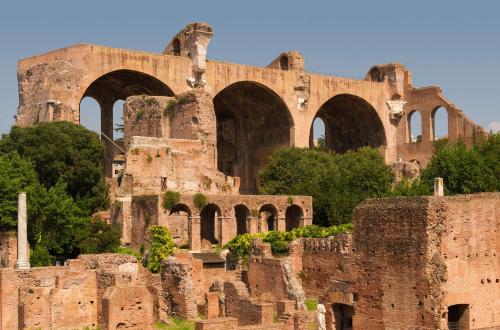
Selon la légende, l'histoire de Rome commence ici

An unmissable opportunity to plan your own future in the field of Fashion
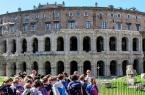
Roma è una meta perfetta per il turismo e in particolare per il settore di visite e viaggi scolastici
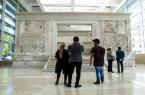
The inestimable artistic heritage of Rome is the preferred destination for the many students who decide to benefit from the many cultural opportunities that the city offers
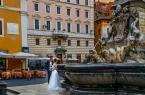
Rome is the perfect choice for a romantic and refined wedding, enriched by a millenary history

Tradizione, maestria sartoriale e tecnologie innovative in un contesto unico al mondo

Glamour, mito e bellezza: una città dove anche la moda è leggenda
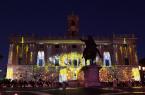
Bellezza e arte, magnifiche spettatrici di una storia millenaria
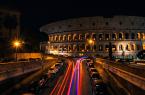
Le infinite occasioni per il divertimento a Roma
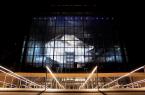
Roma è la destinazione ideale per il turismo Business
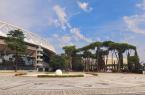
Come e dove vivere in diretta le emozioni degli eventi sportivi
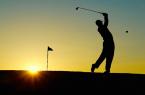
Come e dove allenare corpo e mente nella seconda capitale più verde d'Europa
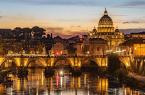
Histoire, anecdotes et informations pratiques pour profiter pleinement de la magie de la Ville éternelle
Seven unusual itineraries to discover the city from new perspectives
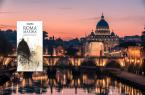
Stories, places, and secrets – a guidebook to an eternal city.

A puzzle of voices and experiences: bloggers explain Rome

Une grande richesse de connaissances et d'expériences accumulées dans le passé
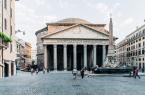
Richesse, splendeur et magnificence immergées dans la magie de l’histoire
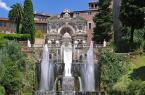
Découvrez la charmante Tivoli et ses merveilleuses villas
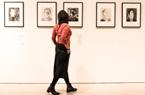

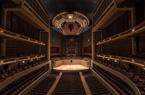

Un itinerario tra architetture millenarie e ardite visioni contemporanee
Rome, la scénographie idéale de chefs-d’œuvre du cinéma et de grandes mélodies
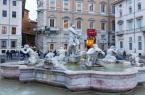
Un voyage dans les musées de la Piazza Navona et ses environs

Un itinéraire pour ceux qui veulent, en peu de temps, connaître les incontournables attractions de Rome

Trois jours intenses pour découvrir les attractions incontournables de Rome
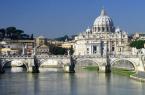
A perfect five day itinerary for an unforgettable Roman holiday
Indoor & outdoor activities and attractions
À la découverte de précieuses collections de la préhistoire à l’art contemporain

Les recettes simples et savoureuses de la tradition

Un dessert typique des Chateaux Romains d'origine très ancienne
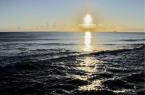
L'âme marine de Rome
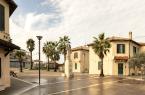
Saveurs et traditions anciennes dans un lieu où le temps semble s’être arrêté
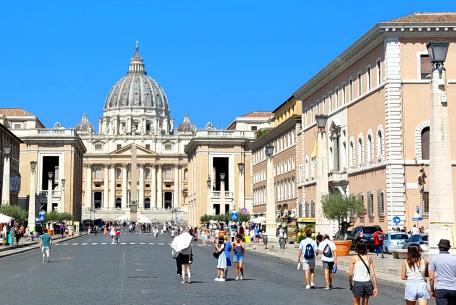
In the beginning the building was in piazza Rusticucci in the Borgo district.
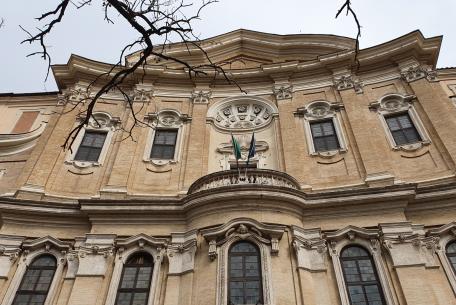
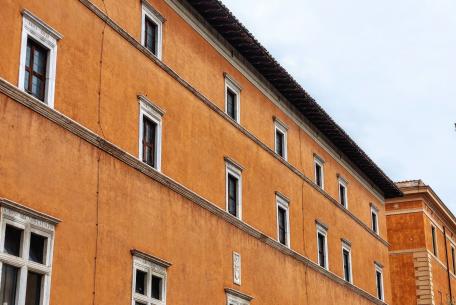
Le complexe du Palazzo dei Filippini se compose du Couvent et de l'Oratoire et il occupe un grand bloc entre Piazza della Chiesa Nuova, via dei Fi
[...]
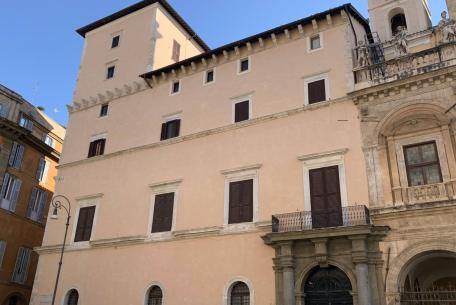
The palace was built by Giuliano da Sangallo from 1478 for Card.
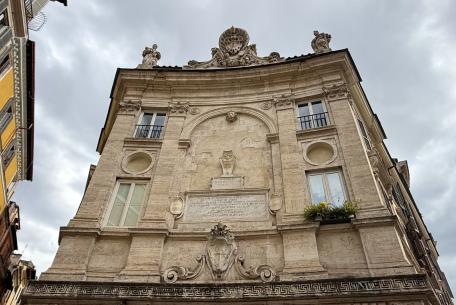
The building was chosen as the seat for the Papal Mint by Julius II Della Rovere (1503-1513), who adapted a pre-existing building to its new function, probably by Bramante.

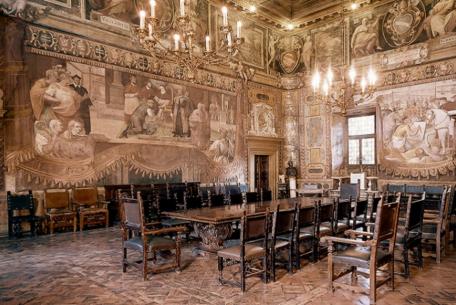
Situé à proximité de la Piazza Venezia, le Palais du Collège romain a été construit entre 1582 et 1
[...]
Siège d'origine du conservateur responsable des Ospedali Riuniti di S.
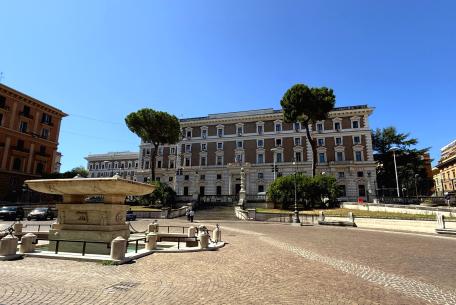
Ce bâtiment monumental fut conçu par l’homme d’État Giovanni Giolitti, alors Chef du Gouvernement, comme centre névralgique du pouvoir exécutif.
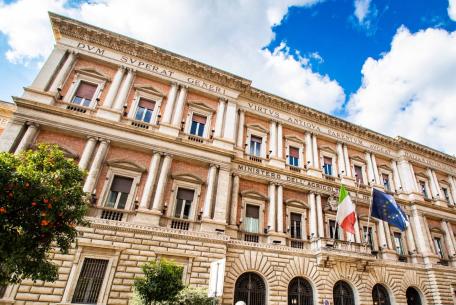
Il Palazzo dell'Agricoltura sorge nel quartiere sallustiano in via XX Settembre per ospitare l'allora Ministero dell'Agricoltura, Industria e Commercio.
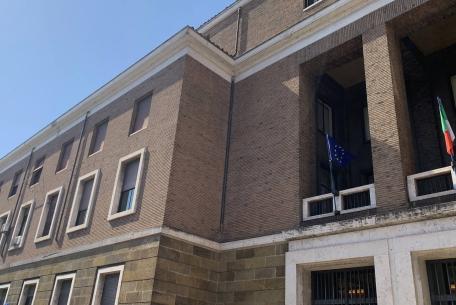
The building was designed by the architects Ignazio Guidi, Cesare Valle and Vincenzo Fasolo (who worked on Valle's projects) on the site of the hospice of Santa Galla and the old church, commission
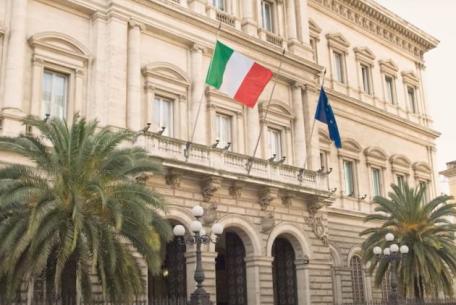
[...]
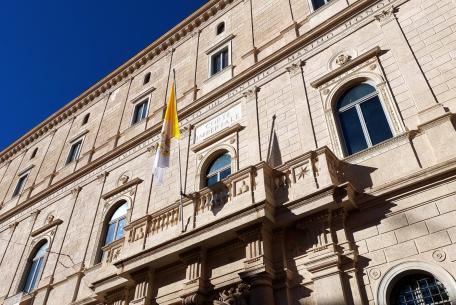
Le Palais de la Cancelleria, un exemple d'architecture de la Renaissance à Rome, a été commencé vers 1485 à la demande du cardinal Raffaele Riario, nommé par le pa
[...]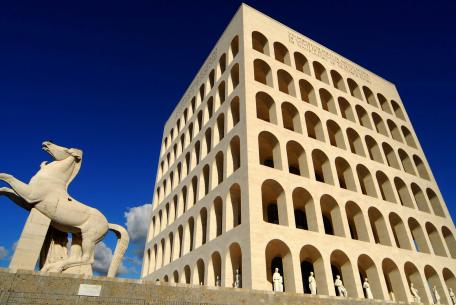
Le Palais de la Civilisation Italienne, connu aussi comme Palais de la Civilisation du Travail, est un des symboles du quartier EUR ; il est cons
[...]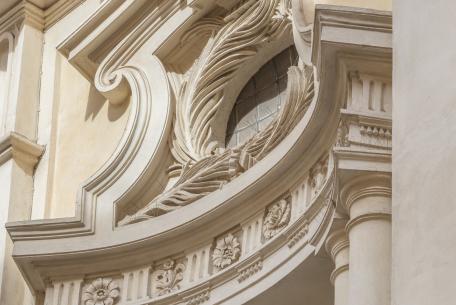
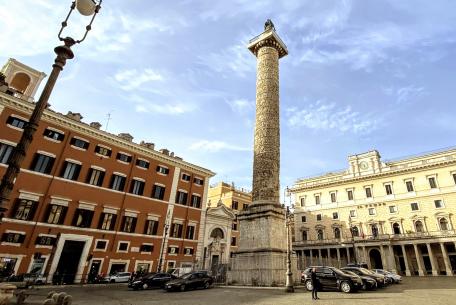
Entre 1642 et 1644, Le Bernin, sur commande du pape Urbain VIII, conçoit et réalise la façade du palais donnant sur la place.
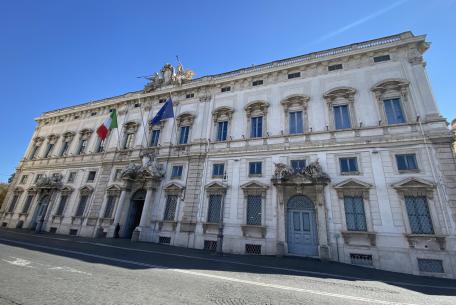
Au début du XVIe siècle, sur la colline du Quirinal, fut construit le palais dit "du cardinal de Ver
[...]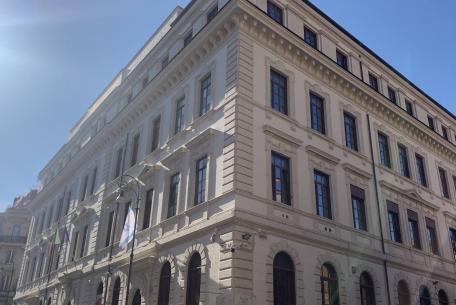
Palazzo della Cultura ph. Turismo Roma
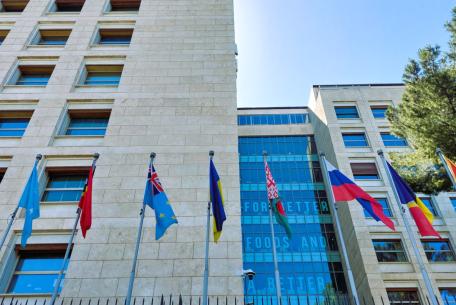
Une superficie de plus de 100 000 mètres carrés, sur un total de quatre hectares entre le Circus Maximus
[...]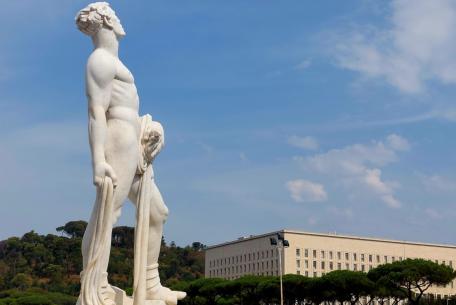
Une façade compacte en travertin de 169 mètres de long et un volume total de plus de 700 000 mètres cubes : monumentalité, géométrie rationnelle e
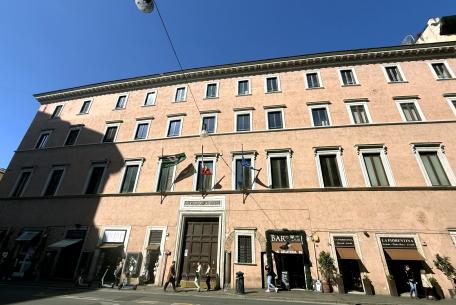
[...]
Built by Lorenzo Lotti (known as Lorenzetto, a sculptor and architect linked to Raphael) around 1517, the palace has the name of Cardinal Andrea della Valle carved above the austere main door.
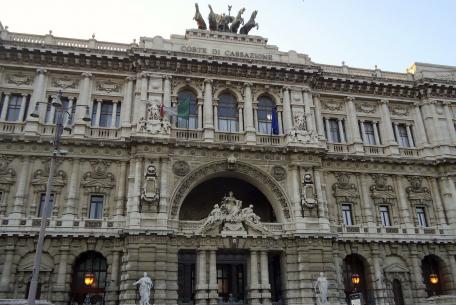
Siège de la Cour suprême de cassation et du Conseil de l'Ordre des avocats de Rome, le palais de justice est également connu sous le nom de "Palazzaccio", surnom q
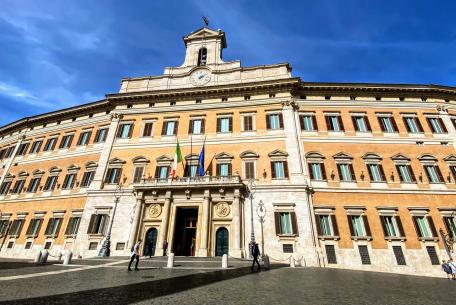
[...]
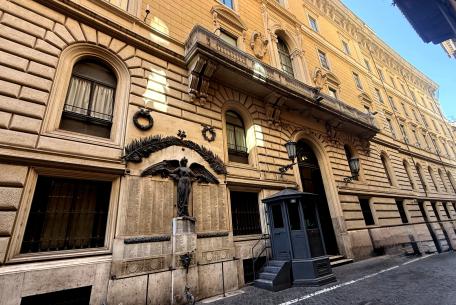
Le nom de l’édifice, improprement appelé San Macuto, dérive du saint auquel était dédiée l’église qui se trouve sur la même place.
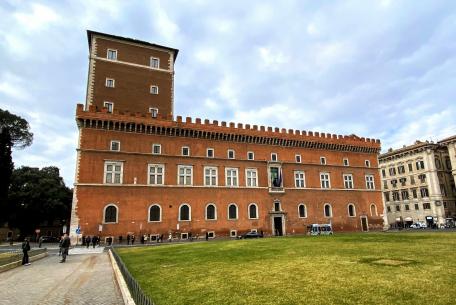
Connu également sous le nom de Palazzo Barbo et situé entre la Piazza Venezia et la
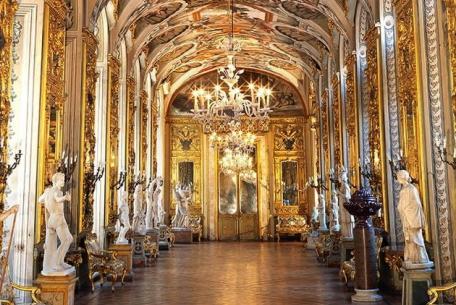
[...]
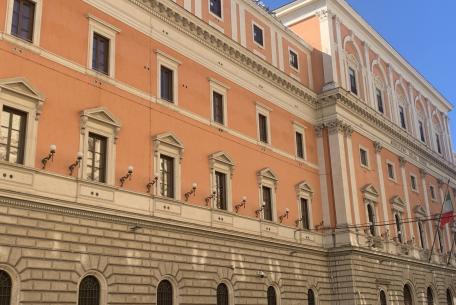
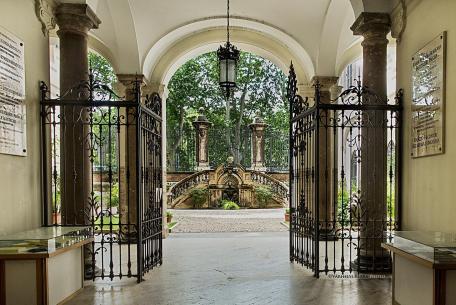
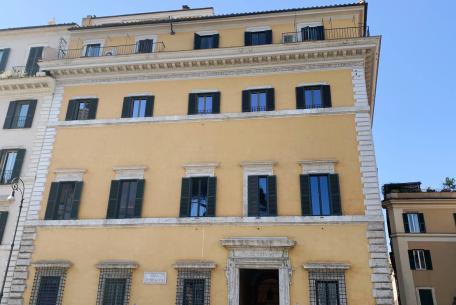
The palace was built in the sixteenth century by the Paluzzi Albertoni family; in the middle of the century it passed into the hands of the Gottardi family and was sold to Mario Fani, who in the la
[...]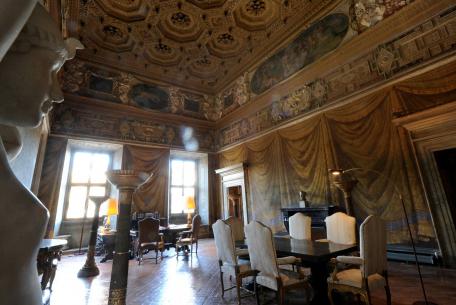
L’un des plus beaux palais du XVIème siècle romain, commencé en 1517 par Antonio da Sangallo le Jeune, sur commande du cardinal Alessandro Farnese, le futur pape Paul III (1534-154
[...] Condividi
 Condividi
 Condividi
 Condividi
 Condividi
 Condividi