









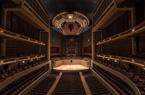








On November 24 and 25, the Auditorium Parco della Musica Ennio Morricone hosted the "Roma Magnetica – Stati Generali del Turismo di Roma Capitale" (“Magnetic Rome – Rome Capital's General states of Tourism”) summit, which focused on key issues such as sustainability, innovation, and competitiveness. The initiative, organized by the Department of Major Events, Sports, Tourism, and Fashion of Rome Capital and funded by the Ministry of Tourism, is part of the Roma Smart Tourism project and aims to serve as a laboratory for ideas and concrete actions for the future of the sector, through which Rome is redefining its role in the international hospitality landscape.
The General states represent an advanced observatory where institutions, universities, and operators converge to transform quantitative growth into sustainable quality. Rome aims to consolidate its position not only as a cultural capital, but also as a global lifestyle capital, capable of attracting investment, talent, and innovative projects. The current debate focuses on issues that are reshaping contemporary travel, such as advanced digitalization, smart mobility, the reinterpretation of cultural heritage, new forms of hospitality, and major events as drivers of urban transformation. These are all areas in which Italy, with its unique combination of rich heritage and innovation, can naturally exert leadership.
The topic of artificial intelligence and the transition from the traditional city to the platform city, capable of anticipating needs and personalizing services, could not be overlooked. The Julia 2.0 app, a digital assistant designed to simplify the lives of residents and tourists, is already operational in Rome, symbolizing a constantly and rapidly evolving urban ecosystem. The project, projected toward 2050, explores the location strategies of future metropolises and how tourism can contribute to addressing global issues such as longevity - and the needs of an increasingly over-60 tourism population - climate change, and, last but not least, new models of well-being.
 Condividi