L’Amphithéâtre Flavio (Colisée)
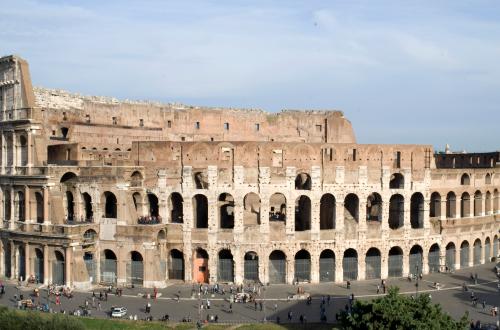
L’Amphithéâtre Flavio (Colisée)
Monuments
 Condividi




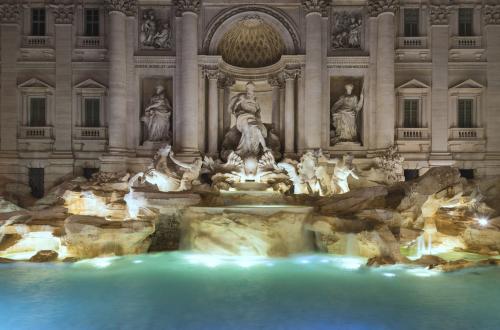
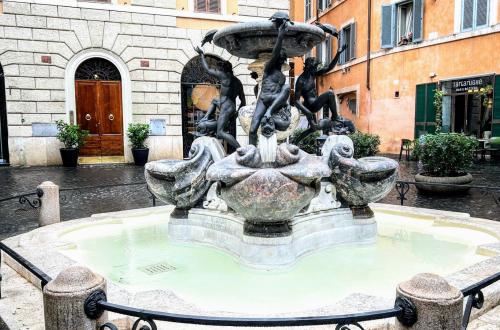
La plus célèbre des fontaines romaines: un joyau d'eau et de pierre

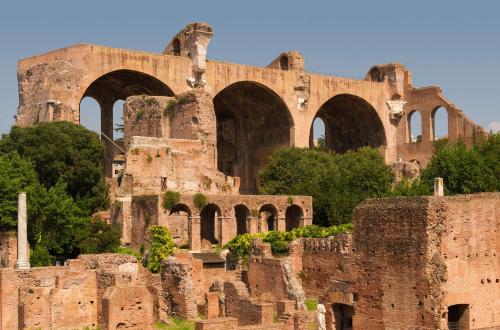
Selon la légende, l'histoire de Rome commence ici

An unmissable opportunity to plan your own future in the field of Fashion
Roma è una meta perfetta per il turismo e in particolare per il settore di visite e viaggi scolastici

The inestimable artistic heritage of Rome is the preferred destination for the many students who decide to benefit from the many cultural opportunities that the city offers
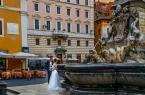
Rome is the perfect choice for a romantic and refined wedding, enriched by a millenary history

Tradizione, maestria sartoriale e tecnologie innovative in un contesto unico al mondo

Glamour, mito e bellezza: una città dove anche la moda è leggenda
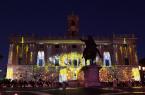
Bellezza e arte, magnifiche spettatrici di una storia millenaria
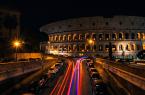
The endless opportunities for fun in Rome

Roma è la destinazione ideale per il turismo Business
Come e dove vivere in diretta le emozioni degli eventi sportivi

Come e dove allenare corpo e mente nella seconda capitale più verde d'Europa
Storia, curiosità e info utili per vivere appieno la magia della Città Eterna



Seven unusual itineraries to discover the city from new perspectives

Stories, places, and secrets – a guidebook to an eternal city.

A puzzle of voices and experiences: bloggers explain Rome

Une grande richesse de connaissances et d'expériences accumulées dans le passé
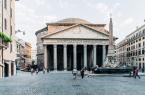
Richesse, splendeur et magnificence immergées dans la magie de l’histoire
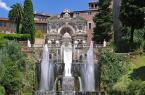
Découvrez la charmante Tivoli et ses merveilleuses villas


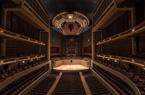



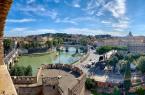
Un itinerario tra architetture millenarie e ardite visioni contemporanee
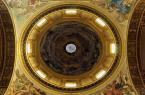
Rome, la scénographie idéale de chefs-d’œuvre du cinéma et de grandes mélodies
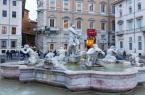
Un voyage dans les musées de la Piazza Navona et ses environs

Un itinéraire pour ceux qui veulent, en peu de temps, connaître les incontournables attractions de Rome

Trois jours intenses pour découvrir les attractions incontournables de Rome
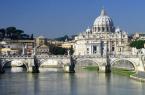
A perfect five day itinerary for an unforgettable Roman holiday
Indoor & outdoor activities and attractions
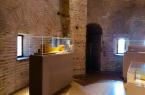
À la découverte de précieuses collections de la préhistoire à l’art contemporain

Les recettes simples et savoureuses de la tradition

Un dessert typique des Chateaux Romains d'origine très ancienne

L'âme marine de Rome
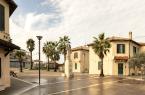
Saveurs et traditions anciennes dans un lieu où le temps semble s’être arrêté
The Villino Bisini-Douhet, set in the Umbertine area of the Prati district in Rome, was first designed by engineer Scipione Regnoli at the behest of Romeo Bisini with a construction permit dated Au
[...]The Villino Hüffer is a significant example of a prestigious late 19th century mansion. It was designed by French architect Jules A.F.A.
The small villa is one of the most elegant examples of Art Nouveau in Rome. It was the home-studio of the Palermitan sculptor Ettore Ximenes (1855-1926).
Condividi
 Condividi
 Condividi
 Condividi
 Condividi
 Condividi