Anfiteatro Flavio (El Coliseo)
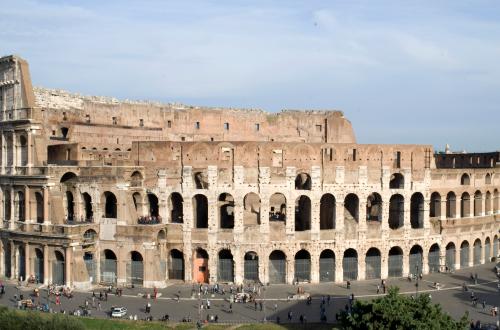
Anfiteatro Flavio (El Coliseo)
Monumentos
 Condividi




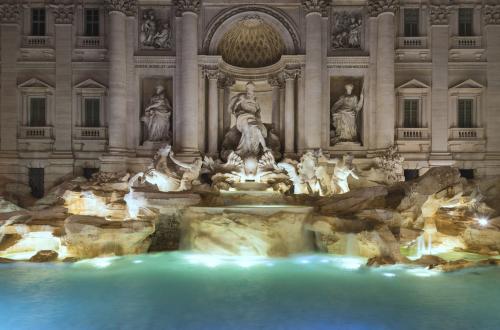
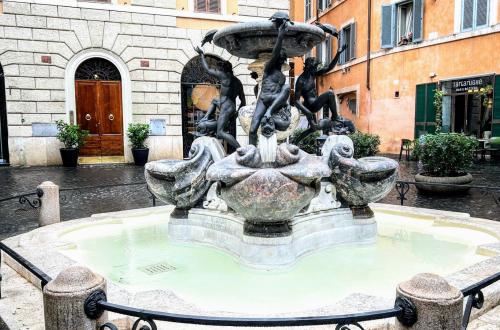
La más famosa de las fuentes romanas: una joya de agua y piedra
Según la leyenda, la historia de Roma comienza aquí

An unmissable opportunity to plan your own future in the field of Fashion
Rome is a perfect destination for tourism and in particular for school trips

The inestimable artistic heritage of Rome is the preferred destination for the many students who decide to benefit from the many cultural opportunities that the city offers
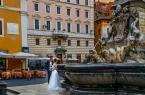
Rome is the perfect choice for a romantic and refined wedding, enriched by a millenary history

Tradition, sartorial mastery, and innovative technologies in a unique setting

Glamour, myth and beauty: a city where even fashion is a legend
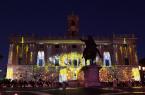
Beauty and art, magnificent spectators of a thousand-year history
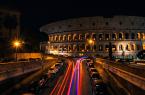
The endless opportunities for fun in Rome

Roma è la destinazione ideale per il turismo Business
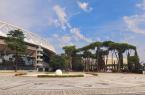
How and where to see live sporting events

Come e dove allenare corpo e mente nella seconda capitale più verde d'Europa
Historia, curiosidades e información útil para disfrutar al máximo de la magia de la Ciudad Eterna



Seven unusual itineraries to discover the city from new perspectives

Stories, places, and secrets – a guidebook to an eternal city.

A puzzle of voices and experiences: bloggers explain Rome

Una gran riqueza de conocimientos y experiencia acumulada en el pasado
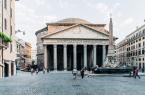
Riqueza, esplendor y magnificencia inmersos en la magia de la historia
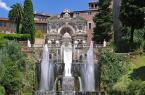
Descubre Tivoli y sus maravillosas villas


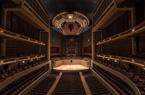



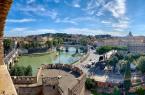
An itinerary between millenary architectures and daring contemporary visions
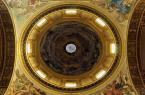
Roma, la escenografía ideal de obras maestras del cine y de grandes melodías
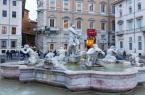
Un viaje dentro de los museos de Piazza Navona y sus alrededores

Un itinerario para conocer las atracciones imperdibles de Roma en poco tiempo

Tres días intensos para disfrutar las attracciones imperdibles de Roma
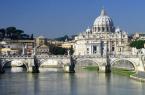
A perfect five day itinerary for an unforgettable Roman holiday
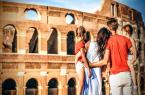
Indoor & outdoor activities and attractions
Descubre valiosas colecciones desde la prehistoria hasta el arte contemporáneo

Simple and delicious traditional recipes

Un postre típico de los Castelli Romani de origen antiguo

El alma marinera de Roma
Sabores y tradiciones milenarias en un lugar donde el tiempo parece haberse detenido
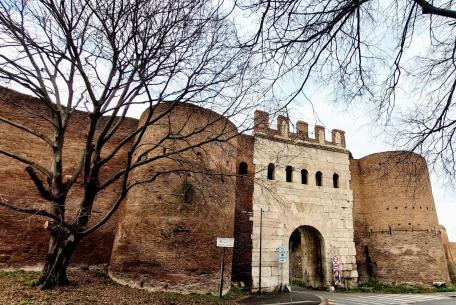
Porta Latina dal nome della via che l’attraversava era ad un solo arco con ai lati due torri semicircolari in laterizio.
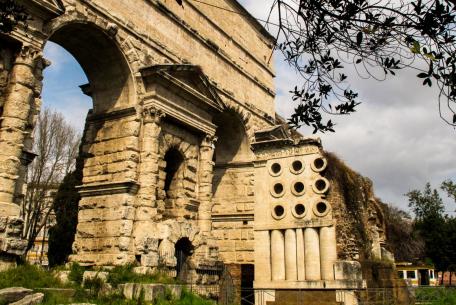
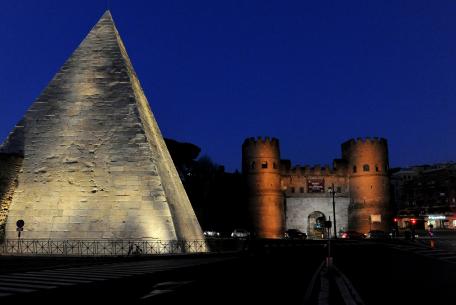
Entre las obras arquitectónicas más prestigiosas del Imperio Romano, destaca la Porta Maggiore o Porta Prenestina, erigida en el año 52 d.C.
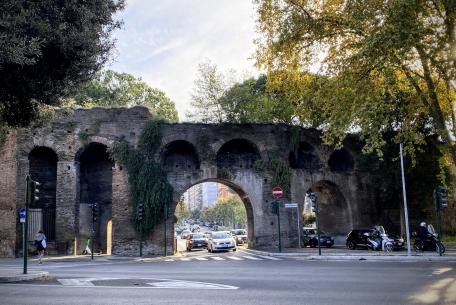
Entre las numerosas puertas que se abren a las majestuosas Murallas Aurelianas, caracterizadas por torres almenadas, inscrip
[...]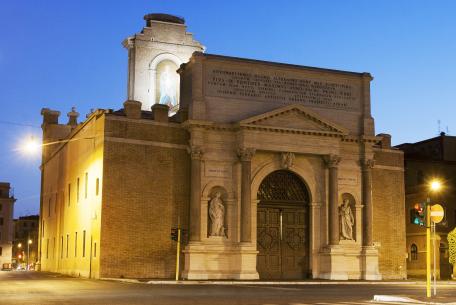
“Antiguamente esa puerta se llamaba Nomentana, después se llamó Santa Inés por el nombre de la iglesia que está cerca, pero ahora la llamamos Puerta Pía, porque fue adornada por Pio IV con el p
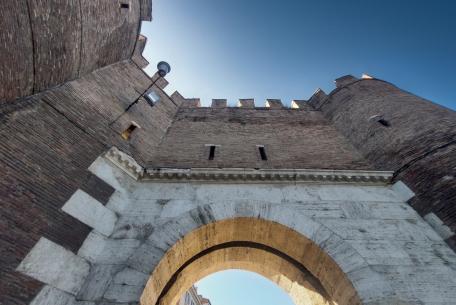
[...]
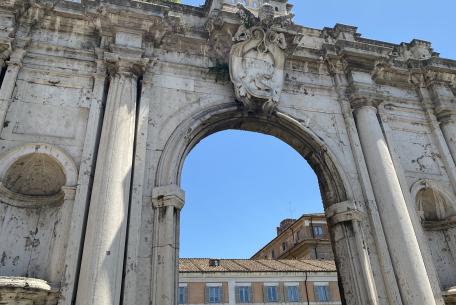
La puerta actual se construyó en el siglo XVII para sustituir a la antigua Porta Portuensis (de la que deriva su nombre actual debido a su distorsión), una de las puertas meridiona
[...]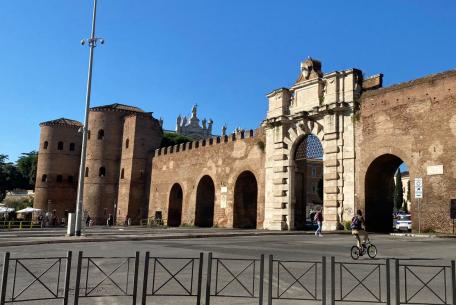
Construida por el Papa Gregorio XIII e inaugurada en 1574, la puerta de San Giovanni es una de las puertas de las Murallas
[...]
Famoso pasaje con dos arcos en las Murallas Aurelianas, construido en el siglo III a.C desde el cual partían la
[...]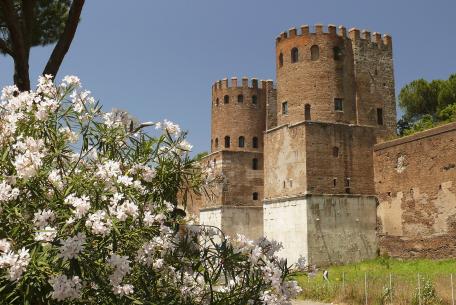
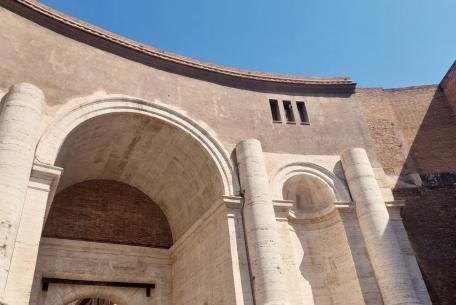
El nombre original era Porta Appia porque estaba atravesada por la calle homónima La Puerta San Sebastiano es la puerta abierta más grande de las
[...]
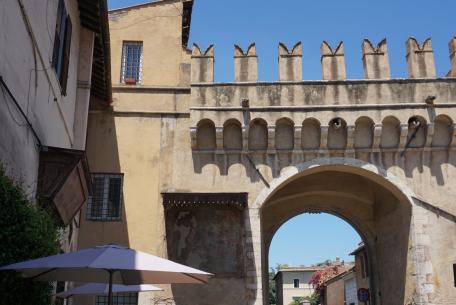
The gate stands on what was once the southern boundary of the “Leonine City”, that is, the area enclosed by the walls built by Pope Leo IV as a defence against the Saracens who had sacked Rome in 8
[...]
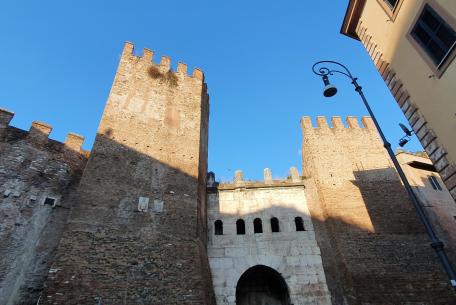
La Puerta Septimiana se abre a lo largo de la Muralla Aureliana, por la orilla derecha del río Tiber y es la unica entre las tres originales que queda en el mismo lugar donde fue c
[...]
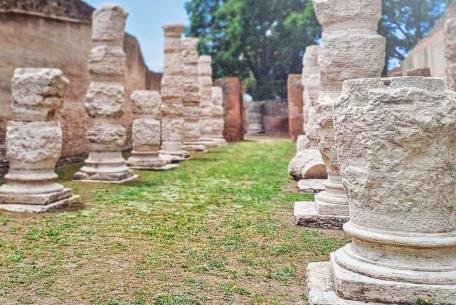
La Puerta Tiburtina o Puerta San Lorenzo es una puerta de entrada de las Murallas Aurelianas de Roma, por la
[...]
Junto con el cercano puerto fluvial de Ostia, la zona de Portus era el puerto marítimo de la Roma imperial que, con un crecimiento urbano y demográfico constante, necesitaba un sum
[...]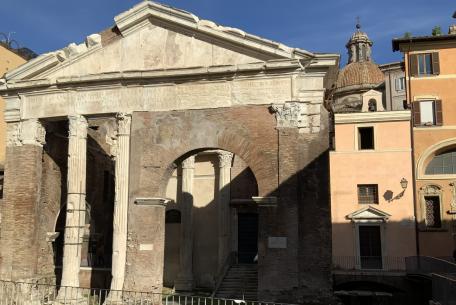
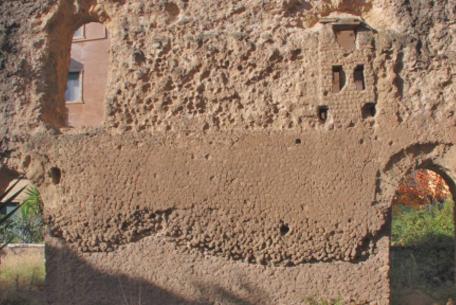
Closely connected to the new river port built at the end of the 3rd century BC south of the Aventino, the Porticus Aemilia was a vast complex of warehouses located in the area behind the Emporium,
[...]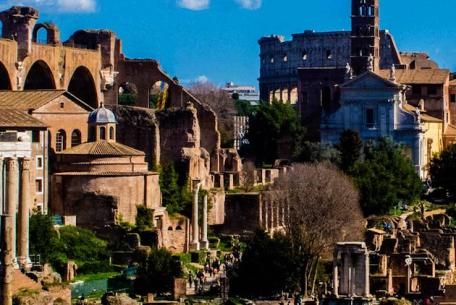
Construida en la segunda mitad del siglo I d.C., la Rampa conectaba el Foro Romano, coraz
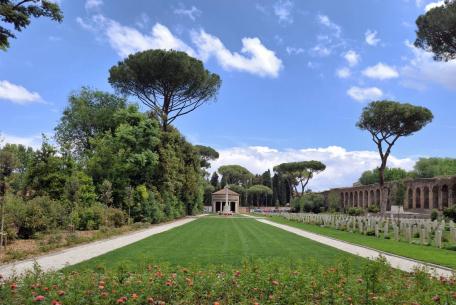
[...]
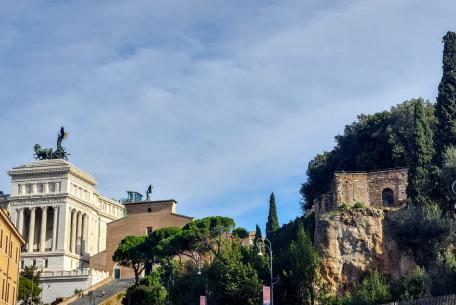
Un aura de misterio envuelve uno de los lugares más legendarios de Roma, la Roca Tarpea – del latín Rupes Tarpeia o Saxum Tarpeium – la p
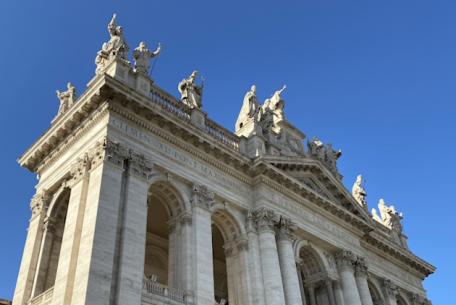
[...]
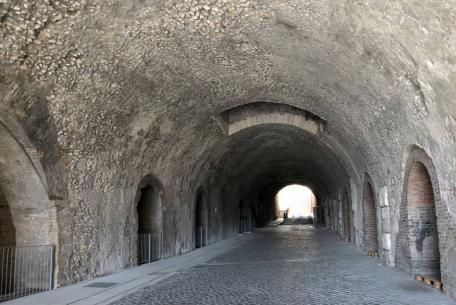
Visita a la zona arqueológica bajo la Basílica de San Juan de Letrán, donde se conservan
[...]
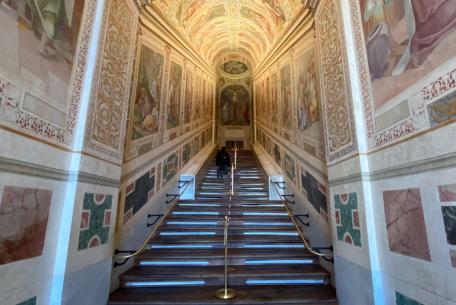
The sanctuary of Hercules Vincitore, together with those of Gabii and Palestrina, is part of the great sanctuaries with theatre-temples in Latium and was in fact a great extra-urban 'commercial cen
[...]
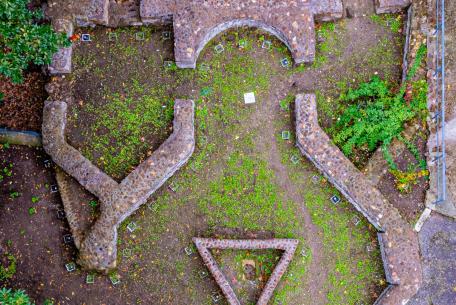
En las cercanías de la Basílica de San Juan de Letrán, este Santuario hos
[...]
Un sitio arqueológico de gran interés y fascinación, testigo del auge y la decadencia de las religiones paganas a lo largo de la historia de la antigua Roma.
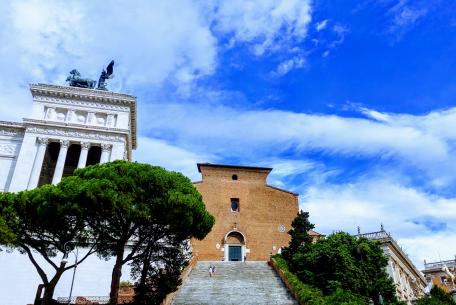
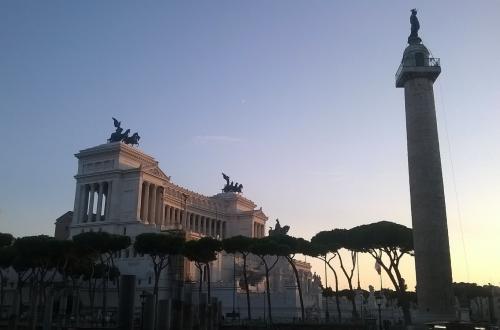
En el flanco derecho del Vittoriano, dos escalinatas igualmente espectaculares ascienden hasta el antiguo mons Cap
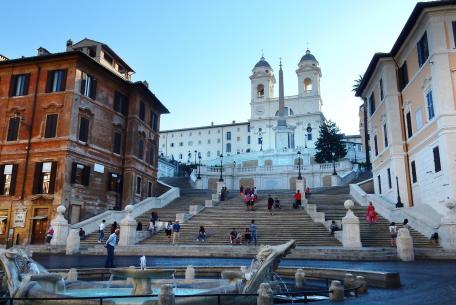
[...]
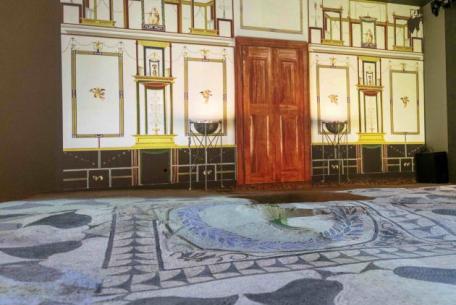
Una nueva área arqueológica dentro de un condominio privado pero abierta regularmente a los visitantes: "La caja arqueológica de la Domus Aventino", un proyecto innovador y virtuoso nacido de la co
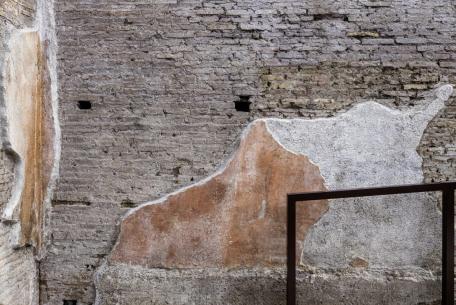
[...]
Durante la época imperial, la ladera sur del Palatino sufrió diversas intervenciones, primero por parte de
[...]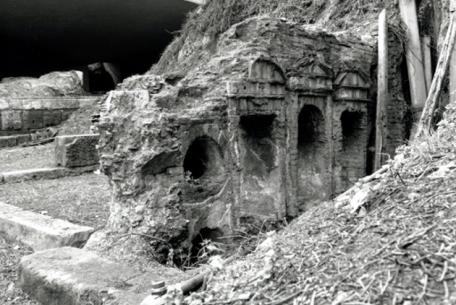
El cementerio se encuentra a la derecha de la via Appia Antigua, bajo el actual paso e
[...]
Condividi
 Condividi
 Condividi
 Condividi
 Condividi
 Condividi
 Condividi