Anfiteatro Flavio (El Coliseo)
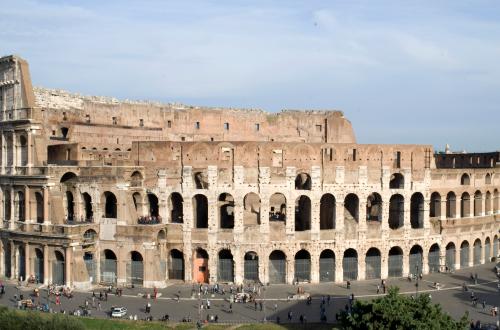
Anfiteatro Flavio (El Coliseo)
Monumentos
 Condividi




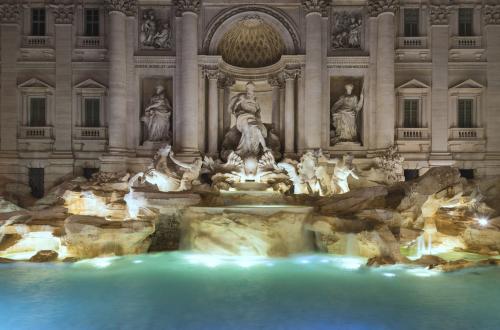
La más famosa de las fuentes romanas: una joya de agua y piedra
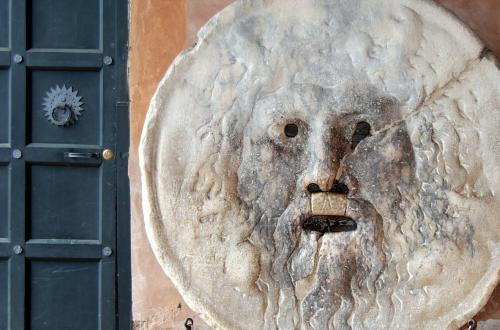
Según la leyenda, la historia de Roma comienza aquí

An unmissable opportunity to plan your own future in the field of Fashion
Rome is a perfect destination for tourism and in particular for school trips
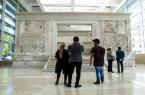
The inestimable artistic heritage of Rome is the preferred destination for the many students who decide to benefit from the many cultural opportunities that the city offers
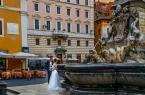
Rome is the perfect choice for a romantic and refined wedding, enriched by a millenary history

Tradition, sartorial mastery, and innovative technologies in a unique setting

Glamour, myth and beauty: a city where even fashion is a legend
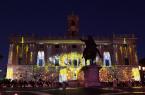
Beauty and art, magnificent spectators of a thousand-year history
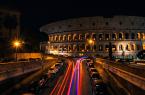
The endless opportunities for fun in Rome
Roma è la destinazione ideale per il turismo Business
How and where to see live sporting events

Come e dove allenare corpo e mente nella seconda capitale più verde d'Europa
Historia, curiosidades e información útil para disfrutar al máximo de la magia de la Ciudad Eterna

Seven unusual itineraries to discover the city from new perspectives
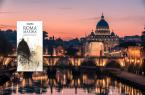
Stories, places, and secrets – a guidebook to an eternal city.

A puzzle of voices and experiences: bloggers explain Rome

Una gran riqueza de conocimientos y experiencia acumulada en el pasado
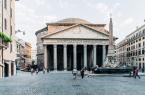
Riqueza, esplendor y magnificencia inmersos en la magia de la historia
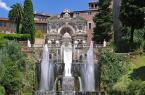
Descubre Tivoli y sus maravillosas villas


An itinerary between millenary architectures and daring contemporary visions
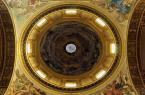
Roma, la escenografía ideal de obras maestras del cine y de grandes melodías
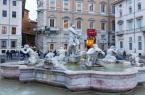
Un viaje dentro de los museos de Piazza Navona y sus alrededores

Un itinerario para conocer las atracciones imperdibles de Roma en poco tiempo

Tres días intensos para disfrutar las attracciones imperdibles de Roma
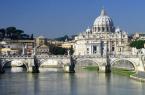
A perfect five day itinerary for an unforgettable Roman holiday
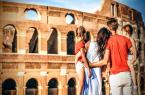
Indoor & outdoor activities and attractions
Descubre valiosas colecciones desde la prehistoria hasta el arte contemporáneo

Simple and delicious traditional recipes

Un postre típico de los Castelli Romani de origen antiguo

El alma marinera de Roma
Sabores y tradiciones milenarias en un lugar donde el tiempo parece haberse detenido
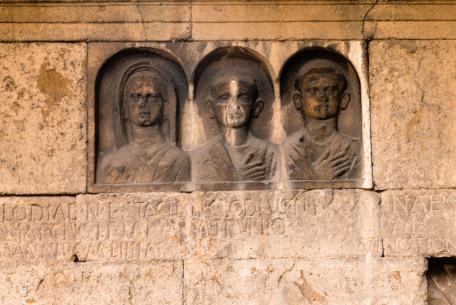
Parte de una vasta necrópolis suburbana que se extendía a lo largo del primer tramo de la via Salaria Nova y de la via Salaria Vetus, el sepulcreto llamado “Salario” puede datarse
[...]
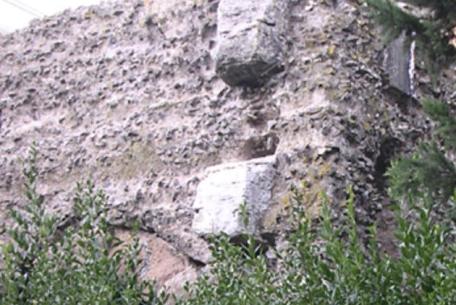
The famous Tomb of the Veienti is located along the road that led from the Cassia to Veio, at the height of Nero's Tomb.
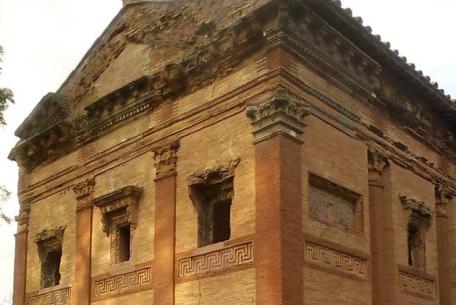
To the left of Via della Caffarella, in a narrow street descending towards an ancient mill around, you can see the Roman monument also known as the temple of the god Redicolo.
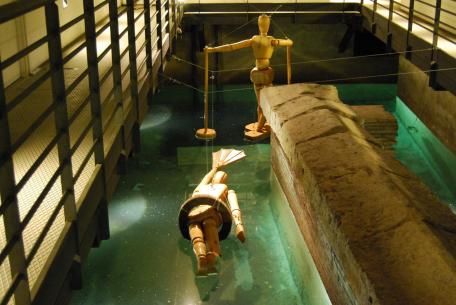
The sepulchre, casually discovered in 1938, lies under Palazzo della Cancelleria; at the moment is almost completely submerged by the waters of Euripus, the channel that crossed Campus Martius and
[...]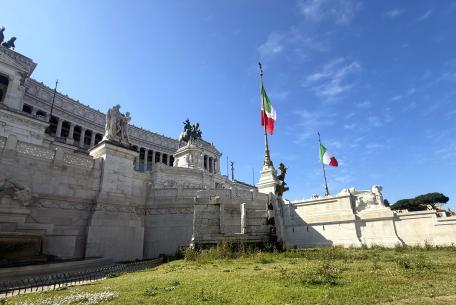
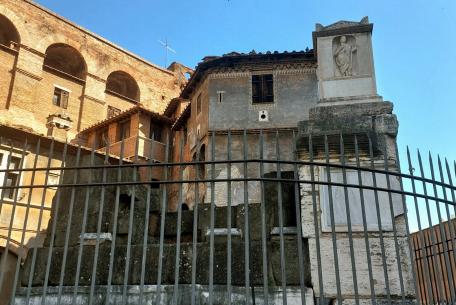
The travertine and tuff monument, of which only part of the façade survives, is on the left of the Vittoriano, and was spared from demolition during the construction of the building.
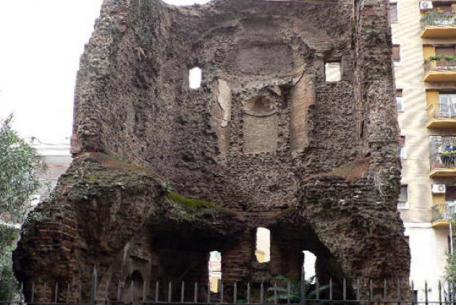
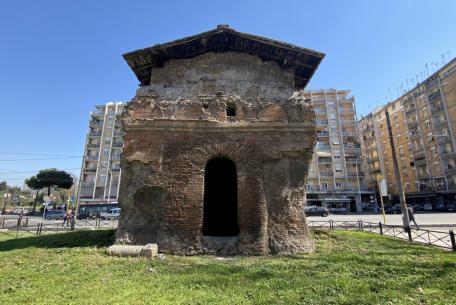
El Sepulcro del Largo Preneste, que fue construido entre los siglos II y III d.C., no es más que un sepulcro en opus latericium, con un aspecto que recuerda a los edificio
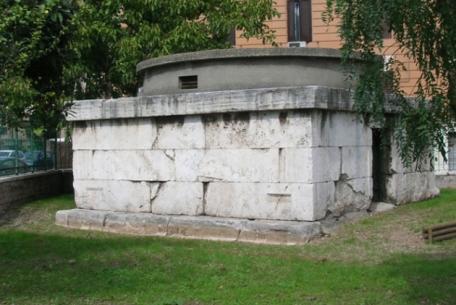
[...]
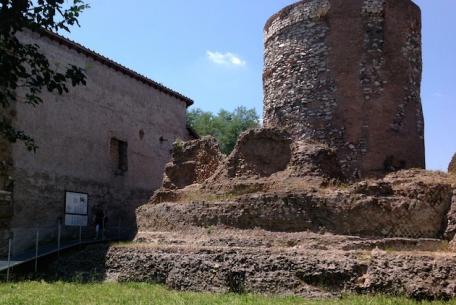
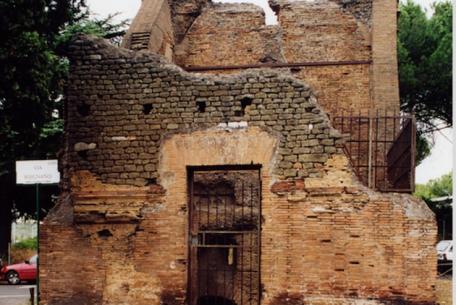
El edificio se alza frente a la iglesia del Domine quo vadis, en el cruce de la via Appia Antica
[...]
The Sepulcher located on the via Appia Nuova, along the route of the road to Castrimoenium, dates back to the second half of the second century. A.D.
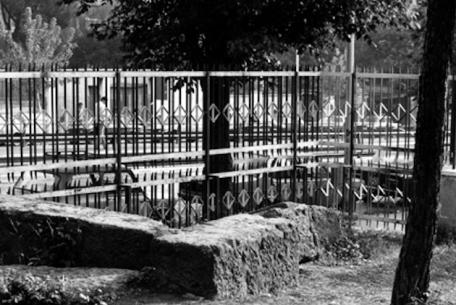
Los restos del sepulcro se encuentran hoy en la zona de Tor Pignattara, entre via Casilina y el barrio tuscolano y están constituidos por grandes bloques cuadrados
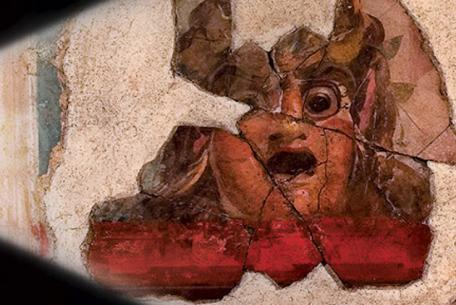
[...]
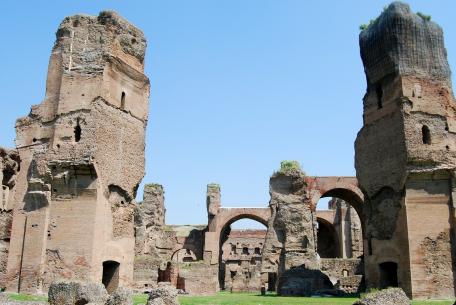
Los ambientes subterráneos de las Termas de Caracalla,considerados indispensables para la actividad del sitio, estaban poblados por centenares de siervos y obreros expertos dedicados al correcto fu
[...]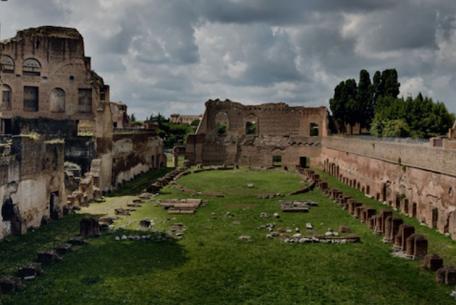
El recinto, que ocupa el lado oriental del palacio imperial construido sobre el monte Palatino, fue el
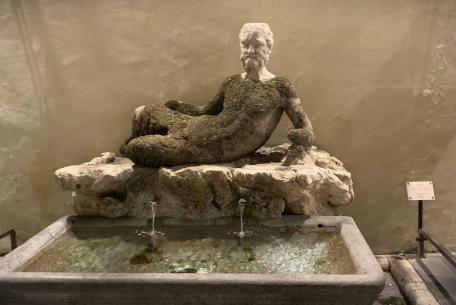
The four statues known as ‘talking’ in Roman folk tradition are those of Pasquino, Abbot Luigi, Madama Lucrezia and Marforio.
[...]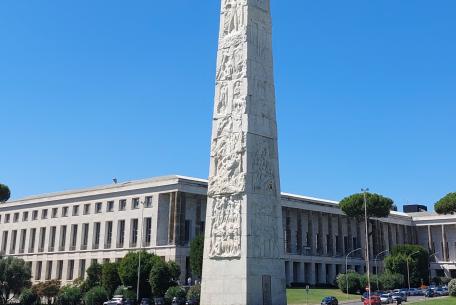
En el centro de Piazza Guglielmo Marconi, antigua Piazza Imperiale, se encuentra el obelisco creado por Arturo Dazzi y dedicado al famoso físico italiano.
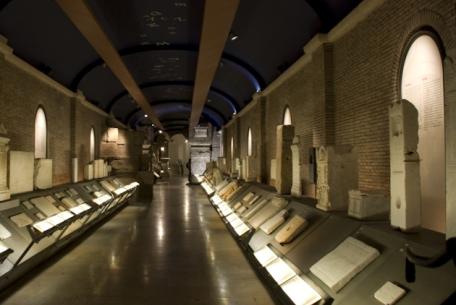
El Tabularium, imponente edificio tardorrepublicano sobre cuyas ruinas se alza el Palacio Senatorio
[...]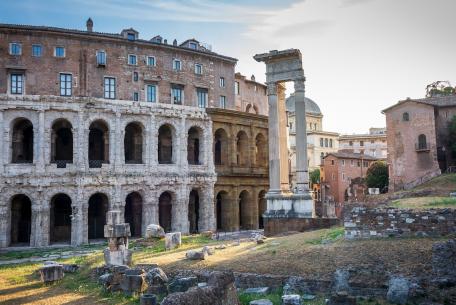
El edificio fue erigido en el Campo Marzio, lugar que la tradición habia consagrado a las actuaciones escénicas, en el sitio donde desde 179 a.C se encontraba el <
[...]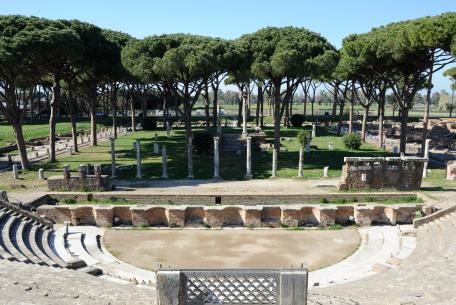
El teatro romano de Ostia Antica está situado en el interior del área arqueológica de las excavaciones.
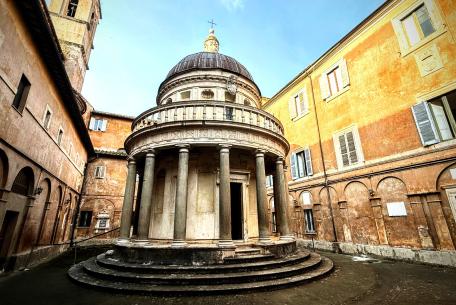
Sobre la colina de Gianicolo en el conjunto de San Pedro en Montorio se encuentra ésta pequeña joya arquitectónica hoy parte de
[...]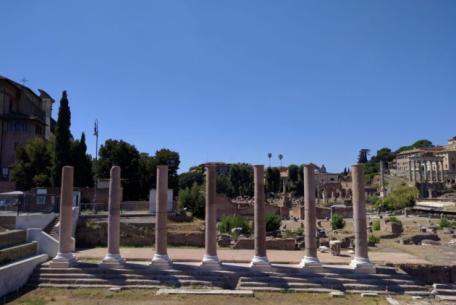
El Templo de la Paz, llamado Foro de la Paz solo a partir del final del período imperial, fue construido por el emperador Vespasiano entre los años 71 y 75
[...]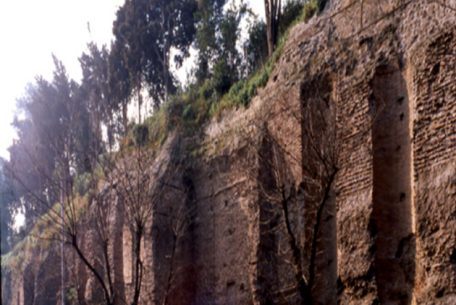
El templum divi Claudii, situado en la ladera occidental de la colina del Celio
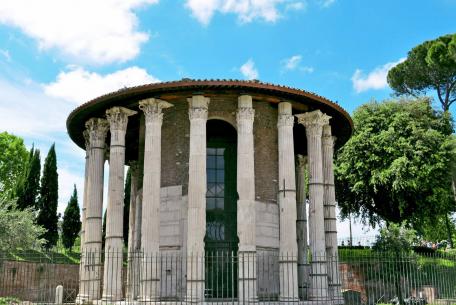
[...]
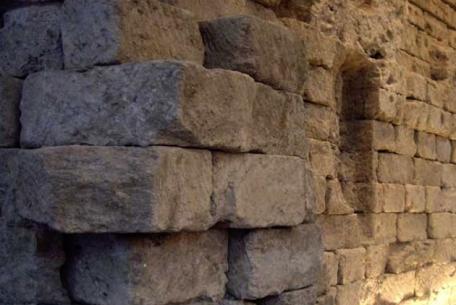
El Templo de Júpiter estaba originalmente ubicado en la Colina Capitolina
[...]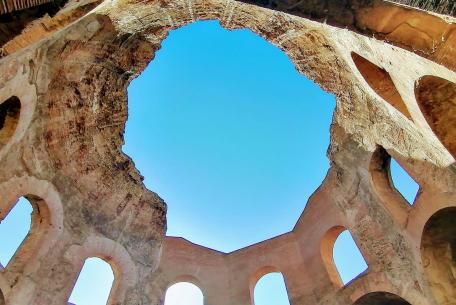
The so-called Temple of Minerva Medica is located in the Esquilino district, in Via Giolitti, next to the Rome-Pantano urban railway line.
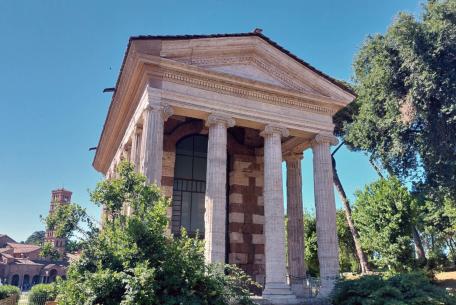
Se trata de uno de los edificios mejor conservados de la Antigua Roma.
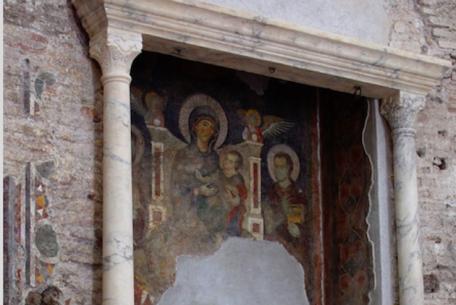
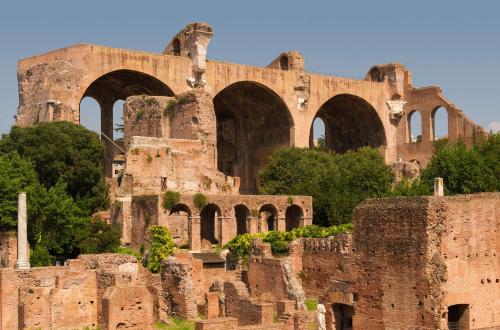
The so-called Temple of Romulus stands in the archaeological area of the Roman Forum,
[...] Condividi
 Condividi
 Condividi
 Condividi
 Condividi
 Condividi
 Condividi