




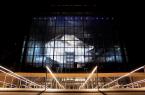
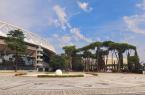












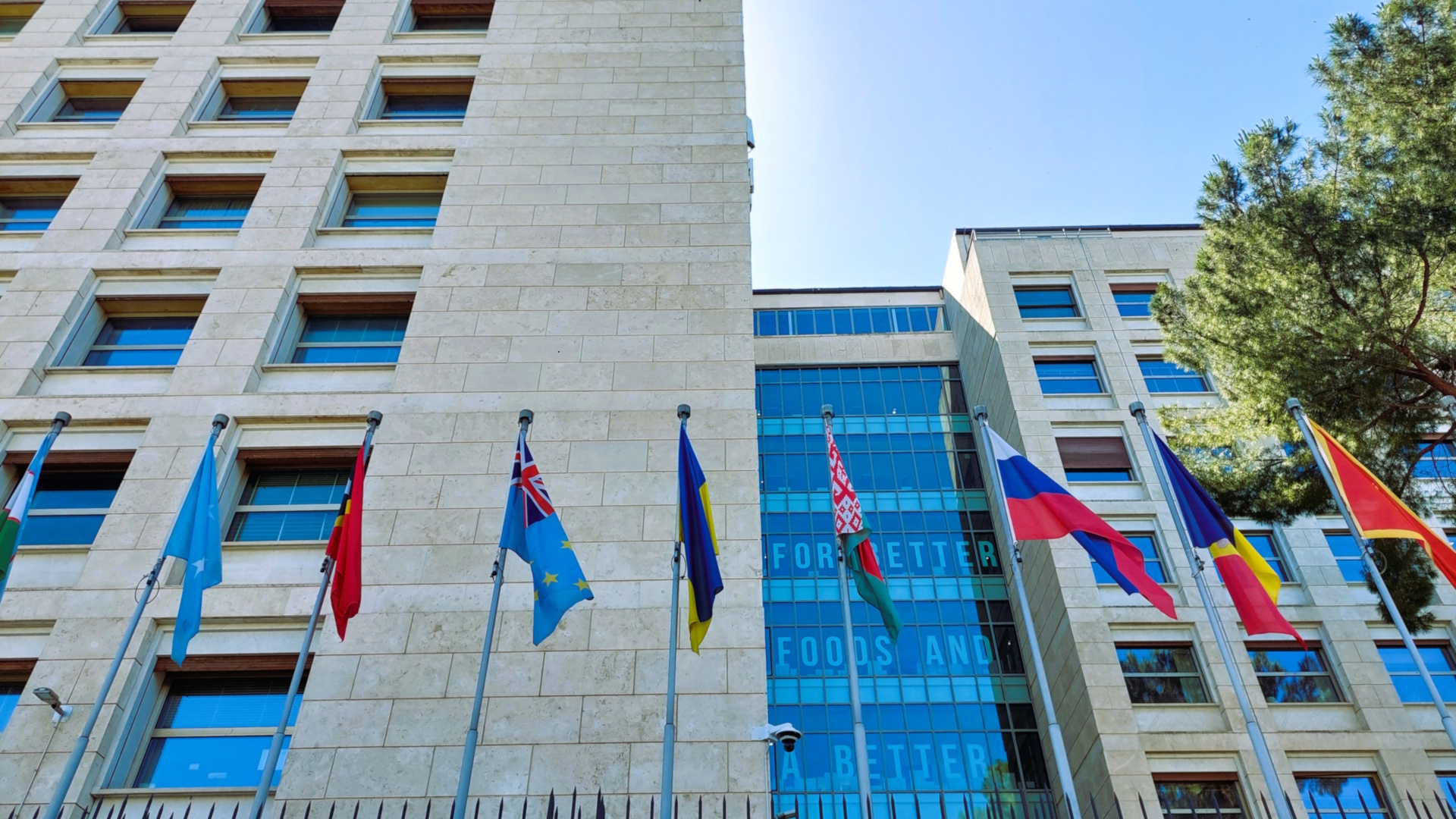
A building complex of over 100,000 square meters, on a total site of four hectares between the Circus Maximus and the Baths of Caracalla. The history of the complex, which has housed the headquarters of the Food and Agriculture Organization of the United Nations (FAO) since 1951, began in the late 1930s with the Fascist government launching a design competition for the new headquarters of the Ministry of Italian Africa (formerly the Ministry of Colonies, which was abolished for good in 1953).
In 1938, a team led by Vittorio Cafiero and Mario Ridolfi – and also comprising Alberto Legnani, Wolfgang Frankl, Ettore Rossi, Armando Sabatini and Giulio Rinaldi – was appointed to draw up the plans. Work began that same year but was soon halted by the outbreak of the Second World War. In 1949, once the war was over, the FAO Conference accepted the Italian Government’s proposal to move its headquarters from Washington to Rome. With the collaboration of the architect Cafiero (who, a few years later, would also be one of the designers of the Olympic Village), work then began to adapt the existing building (Building B, leased for a symbolic rent of one dollar a year) and to complete Building A, as envisaged in the original design. The complex currently comprises four further buildings, constructed between the 1960s and the 1990s.
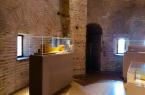
Since the end of 2025, the complex has been home to FAO MuNe - Food and Agriculture Museum & Network (which can be visited free of charge by booking in advance), an initiative created to showcase the FAO’s mandate and its work around the world.
Roma contemporánea

Tre itinerari per conoscere i luoghi del contemporaneo a Roma
 Condividi
De Caracalla al Coliseo
La città eterna sospesa tra storia e leggenda
Condividi
Rione XXI - San Saba
Informaciones
Closed to the public.
Condividi
Location
Para conocer todos los servicios de accesibilidad, visite la sección Roma accesible.