



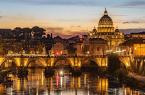




Castel Sant’Angelo is hosting Ercolano. L'arte di vivere (Herculaneum. The Art of Living), the exhibition that invites you to discover the authentic character of the ancient Vesuvian town through a compelling journey showcasing extraordinary artefacts from the storerooms of the Herculaneum Archaeological Park, many of which are rarely displayed to the public. Objects, works of art and archaeological remains reveal the everyday life of a community forever preserved by the eruption of Mount Vesuvius in AD 79, offering an exceptional historical and archaeological legacy.
Among the exhibition's highlights is the famous carbonised loaf of bread, preserved for almost two thousand years alongside food remains, organic materials, tableware, furnishings and everyday utensils. Together, these remarkable finds provide an extraordinarily detailed insight into the customs, daily routines and way of life of ancient Herculaneum's inhabitants.
Curated by Massimo Osanna, Federica Colaiacomo, Luca Mercuri and Francesco Sirano, the exhibition brings together archaeological research, technological innovation and engaging storytelling to offer a unique perspective on the ancient city.
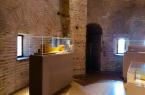
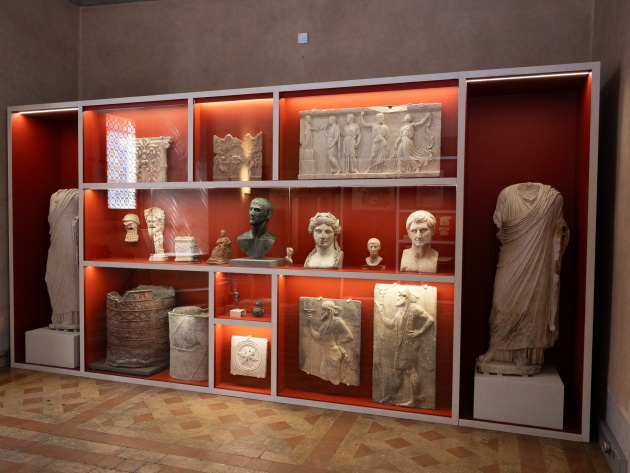
The exhibition opens with a striking Wunderkammer, inspired by the celebrated Renaissance "cabinets of curiosities", where 42 exceptional artefacts from the Herculaneum Archaeological Park's collections are brought together. Statues, busts, frescoes, jewellery and everyday objects bear witness to the city's artistic refinement, cultural sophistication and high quality of life on the eve of the disaster. As in the historic Wunderkammern, the aim is not simply to display remarkable objects, but to inspire wonder and curiosity while bringing hidden collections into the public eye.
The exhibition then leads you to the heart of the event that changed Herculaneum forever. An immersive gallery, enhanced by audiovisual installations, paintings, prints and decorative arts, explores the eruption of Mount Vesuvius and traces the evolution of the volcano's image in the European imagination, particularly during the era of the Grand Tour.
The story continues through the city's shops and thermopolia, the ancient establishments where ready-to-eat food and drink were sold. Multimedia installations and archaeological finds recreate the vibrancy of urban life, offering valuable insight into the town's economy and the social fabric of its community.
The route then takes you inside the domus, where the kitchen and pantry reveal the intimate rhythms of domestic life. Mortars, cooking pots, saucepans and exceptionally well-preserved organic remains, including cereals and pulses recovered during archaeological excavations, document with remarkable accuracy the diet and eating habits of Herculaneum's ancient inhabitants.
A dedicated section explores the importance of wine, one of the defining products of Roman Campania. The celebrated Falernian wine, praised by Pliny the Elder as one of the finest wines of the ancient world, represented not only a regional excellence but also a powerful symbol closely associated with the cult of Bacchus, the god of the vine, fertility and conviviality.
The exhibition concludes in the Roman banquet gallery, where a marble sundial marks the three principal meals of the day – ientaculum, prandium and cena. Bronze bells, exquisite glass, bronze and silver tableware accompany one of the exhibition's most intriguing objects: the larva convivialis, a small skeletal figurine placed on the dining table to remind guests of life's transience and to encourage them to embrace the pleasures of shared conviviality.
The pyroclastic surge that engulfed Herculaneum in AD 79 preserved buildings, objects, food and organic materials in extraordinary condition, transforming a devastating catastrophe into an unparalleled source of historical knowledge.
Ercolano. L'arte di vivere. The Wunderkammer Section Ph. Museo Nazionale di Castel Sant'Angelo.
Informaciones
La mostra è prorogata fino al 1 novembre 2026Dal martedì alla domenica, dalle ore 9.00 alle ore 19.30 (ultimo ingresso ore 18.30). Chiuso il lunedìCastel Sant’Angelo – Sale Clemente VII, Sala della Giustizia, Sale Clemente VIII
 Condividi