Anfiteatro Flavio (El Coliseo)
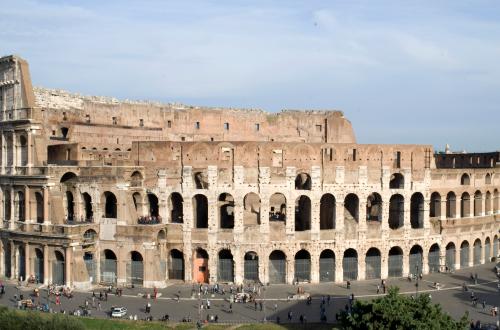
Anfiteatro Flavio (El Coliseo)
Monumentos
 Condividi




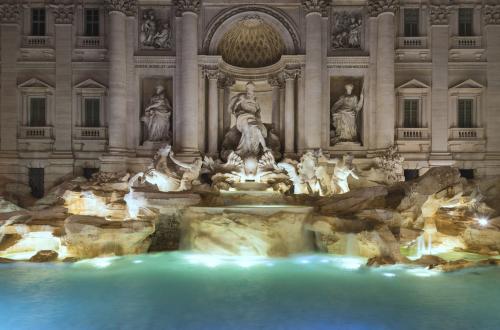
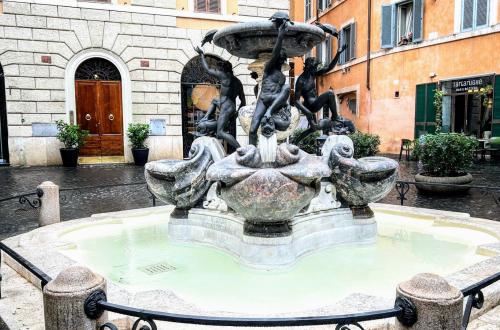
La más famosa de las fuentes romanas: una joya de agua y piedra
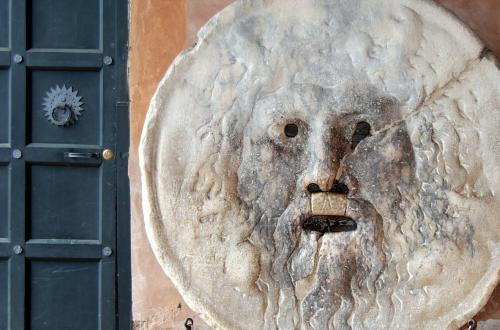
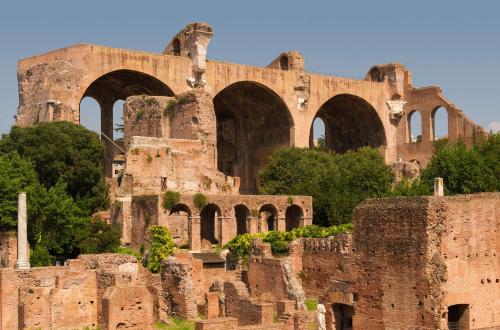
Según la leyenda, la historia de Roma comienza aquí

An unmissable opportunity to plan your own future in the field of Fashion
Rome is a perfect destination for tourism and in particular for school trips
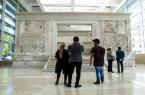
The inestimable artistic heritage of Rome is the preferred destination for the many students who decide to benefit from the many cultural opportunities that the city offers
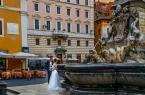
Rome is the perfect choice for a romantic and refined wedding, enriched by a millenary history

Tradition, sartorial mastery, and innovative technologies in a unique setting

Glamour, myth and beauty: a city where even fashion is a legend
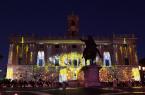
Beauty and art, magnificent spectators of a thousand-year history
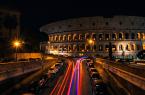
The endless opportunities for fun in Rome
Roma è la destinazione ideale per il turismo Business
How and where to see live sporting events

Come e dove allenare corpo e mente nella seconda capitale più verde d'Europa
Historia, curiosidades e información útil para disfrutar al máximo de la magia de la Ciudad Eterna
Seven unusual itineraries to discover the city from new perspectives
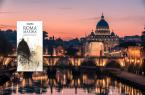
Stories, places, and secrets – a guidebook to an eternal city.

A puzzle of voices and experiences: bloggers explain Rome

Una gran riqueza de conocimientos y experiencia acumulada en el pasado
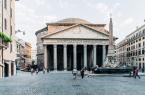
Riqueza, esplendor y magnificencia inmersos en la magia de la historia
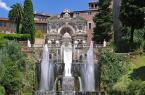
Descubre Tivoli y sus maravillosas villas


An itinerary between millenary architectures and daring contemporary visions
Roma, la escenografía ideal de obras maestras del cine y de grandes melodías
Un viaje dentro de los museos de Piazza Navona y sus alrededores

Un itinerario para conocer las atracciones imperdibles de Roma en poco tiempo

Tres días intensos para disfrutar las attracciones imperdibles de Roma
A perfect five day itinerary for an unforgettable Roman holiday
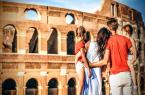
Indoor & outdoor activities and attractions
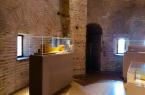
Descubre valiosas colecciones desde la prehistoria hasta el arte contemporáneo

Simple and delicious traditional recipes

Un postre típico de los Castelli Romani de origen antiguo

El alma marinera de Roma
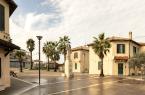
Sabores y tradiciones milenarias en un lugar donde el tiempo parece haberse detenido
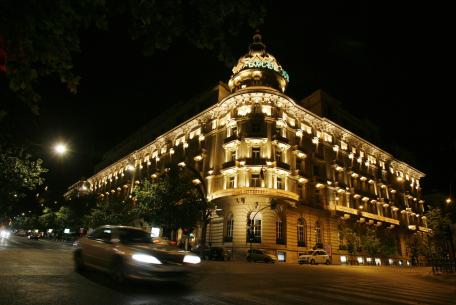
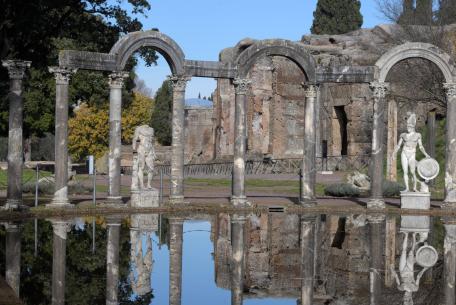
Built by the Emperor Hadrian (117-138 AD), in a large valley rich in of green and water near Tivoli
[...]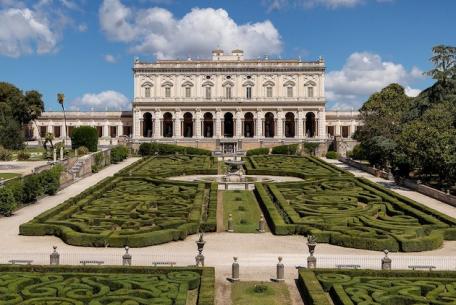
Owned by the Torlonia family since 1866, the Villa was built in the mid-18th century for Cardinal Alessandro Albani, nephew of
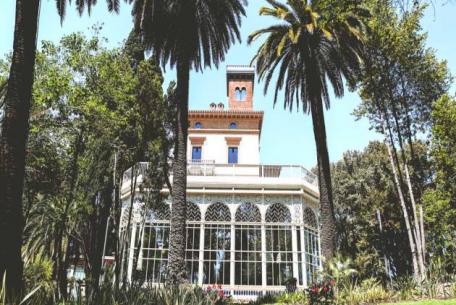
Realizada por el arquitecto Giacomo Boni en 1897 por voluntad del barón Alberto Blanc, la villa marca un momento de gran interés para la historia de la arquitectura y de las artes
[...]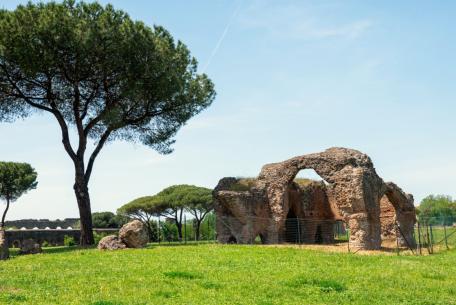
The monumental remains of the so-called Villa delle Vignacce rise within the Parco degli Acquedotti
[...]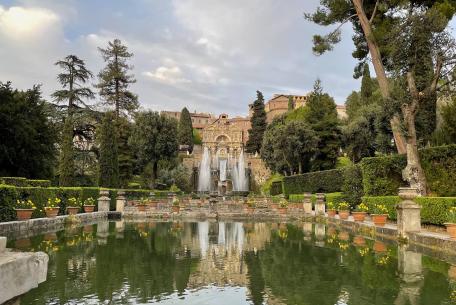
Construida a instancias del cardenal Hipólito II de Este, nombrado gobernador de Tívoli a mediados del siglo XVI, la Villa es un excepcional ejemplo de arquitectura renacentista, construida en dos
[...]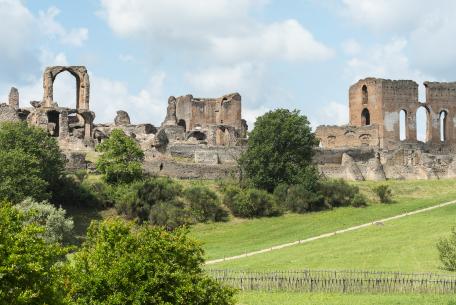
Situada en la V milla de la Via Appia Antica, la Villa dei Quintili, el mayor complejo residencial del suburbio de Roma, forma parte del Parque Arqueológico del Appia Antic
[...]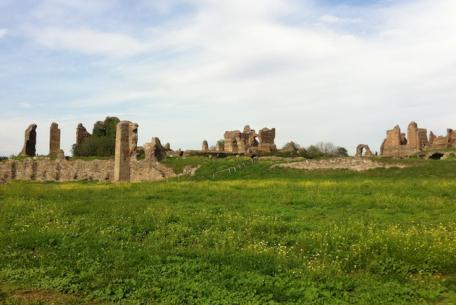
The complex of the so-called Villa of Sette Bassi is located on via Tuscolana, near the intersection with via delle Capannelle, from which you can see the most imp
[...]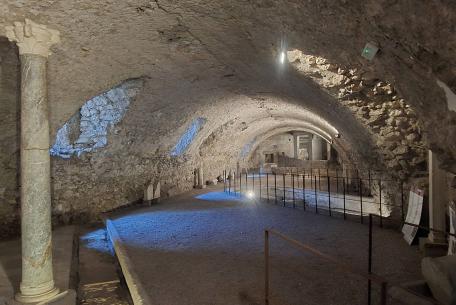
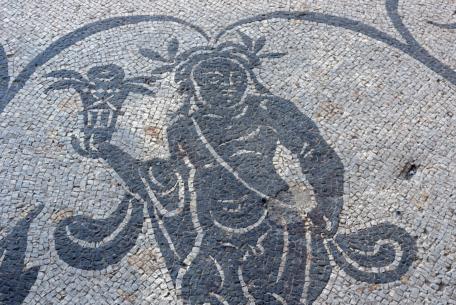
Below the Ospedale San Giovanni, an excavation has brought to light a building dating from the 1st to the 4th century, which has been identified as the home of the mother of Emperor Marcus Aurelius
[...]
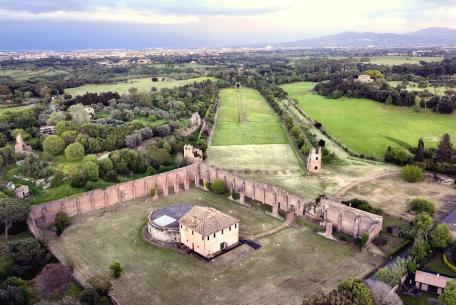
La villa que perteneció a Livia Drusilla, esposa del emperador Augusto, era llamada Ad Gallinas Albas porque allí se habría producido un acontecimiento prodigioso: un águi
[...]
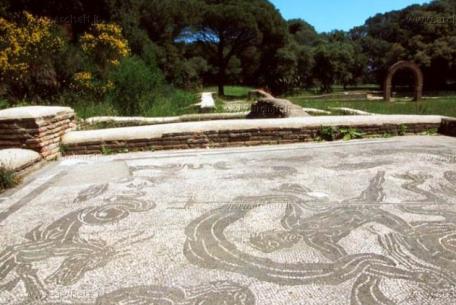
Entre la segunda y la tercera milla de la vía Apia Antigua se extiende una de las áreas arqueológicas más bellas del campo romano, la villa del emperador Majencio, el adversario de Constantino en l
[...]
Los días soleados, incluso en invierno, es difícil renunciar a una excursión a Ostia.
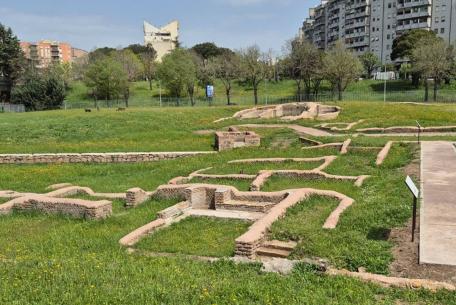
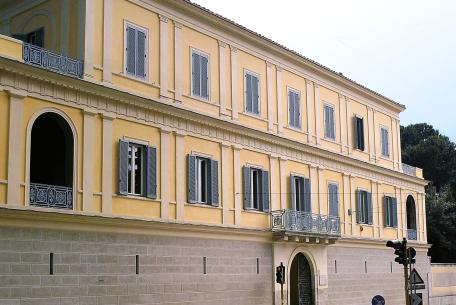
The present palazzina Vagnuzzi was built by restoring the so-called 'casino del Monte', dating from the 16th century, which had been part of the Villa Poniatowski since the 17th century.
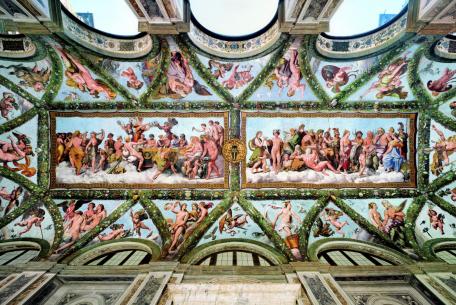
En el nº 230 de via della Lungara se encuentra la Villa de la Farnesina, construida como residencia del banquero Agostino Chigi según un proyecto de Baldassarre Peruz
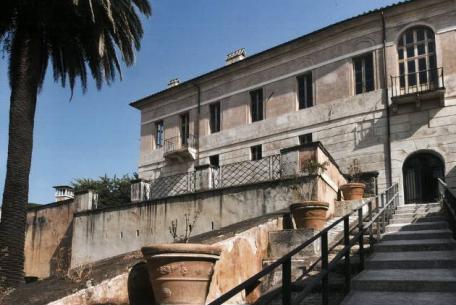
[...]
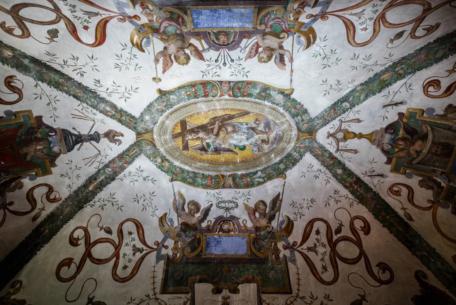
The villa is located in Flaminio district and was formerly known as Villa Cesi<
[...]
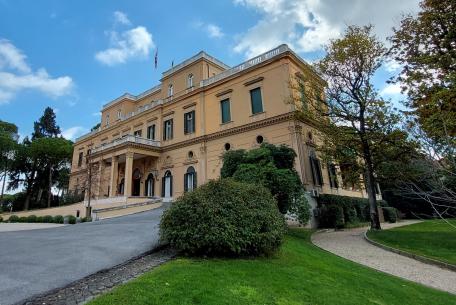
A stunning monumental complex overlooking the Colosseum and the Imperial Fo
[...]
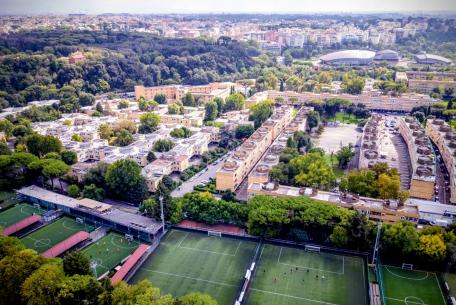
A suggestive and highly accomplished example of architectural and urban planning, the Villaggio Olimpico residential complex was built close to the city centre, be
[...]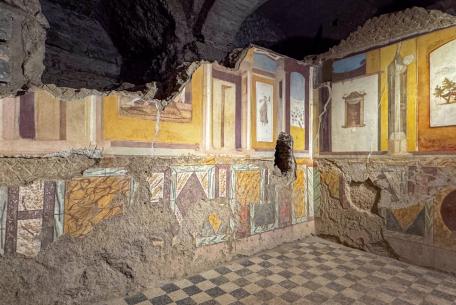
These are two buildings from the Roman era discovered in 1915-1916 beneath the Basilica of San Sebastiano, traditionally known as Villa Grande (2nd century AD) and Villa Piccola (4th century AD).
[...]
The Villino Corsini is an elegant eighteenth-century building of the Villa Corsini, purchased in 1856 by Prince Filippo Andrea V Doria Pamphilj and annexed to the large villa outside Porta S.
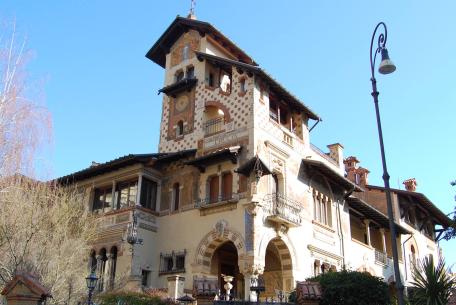
Situated in the Coppedè district, the building is characterised by a total asymmetry, with medieval arches and friezes made from the fusion of different materials, such as marble, brick, travertine
[...]Gli acquedotti Claudio e Aniene Nuovo iniziati a costruire nel 38 d.c.
During the period between 2008 and 2009, in advance of the Pauline Year, during excavation work for the construction of a number of pilgrims' services, a series of archaeological remains dating bac
[...]The Teutonic Cemetery is a burial site in Rome adjacent to St. Peter's Basilica. Burial is reserved for members of the Confraternity of Our Lady of the German Cemetery, which owns the cemetery.
House where the Transit of St Benedict Labre (Benoit-Joseph Labre), the French pilgrim who died in 1783 in front of the Church of Santa Maria ai Monti, took place.
The House of Arms is one of the buildings of the Foro Italico, the vast sports complex designed by Enrico Del Debbio at the foot of Monte Mario and inaugurated in 1932 as the Foro Mussolini.
The works for the construction of the new dining hall of the Barracks of the Cuirassiers along via XX Settembre, brought to light some ancient structures that included a tract of the Servian Walls,
[...]Il Casino de Rossi alla Lungara è la sede del Collegio Sacerdotale Tiberino.
Condividi
 Condividi
 Condividi
 Condividi
 Condividi
 Condividi
 Condividi