
















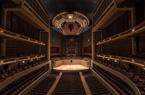










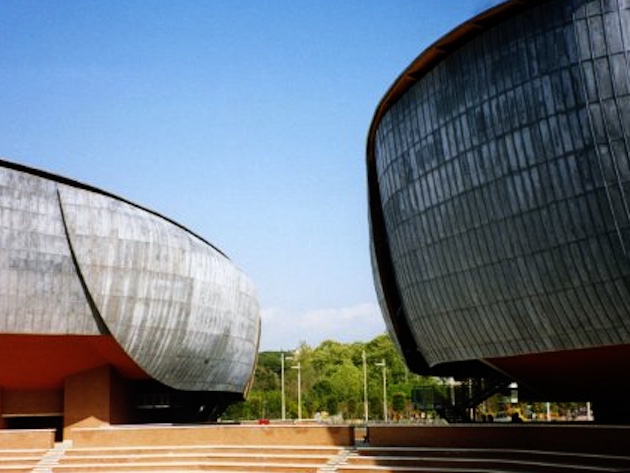
The program conceived by Juraj Valčuha for his return to the podium of the Orchestra Nazionale di Santa Cecilia - as part of the Symphonic Music Season at the Auditorium Parco della Musica - includes two of the most complex pieces for a pianist: Rachmaninoff's Concert No. 3, a concerto of great technical virtuosity, suffused with lyricism, entrusted to the mastery of Behzod Abduraimov, along with Bartók's Concert for orchestra: a work born of exile and nostalgia, which transports listeners on a metaphorical journey between nocturnal elegies and enchanting dances.
Sergei Rachmaninoff's Piano Concert No. 3 in D minor, Op. 30, is a work that, since its premiere in 1909, has fascinated and challenged pianists around the world. Divided into its three canonical movements - Allegro ma non tanto, Intermezzo, Adagio, and Finale - the Concert is a piece brimming with melodic inventiveness and structural complexity. Late-Romantic in style, with captivating melodies and monumental expression, it demands a great virtuosic technique from the soloist.
The Concert for orchestra, composed by Béla Bartók between 1942 and 1943, during the difficult years of his American exile, is characterized by five movements that link Hungarian folklore to a deep nostalgia of the exile, culminating in an exuberant and rhythmically complex finale.
Orchestra of the Accademia Nazionale di Santa Cecilia
conductor: Juraj Valčuha
piano: Behzod Abduraimov
Rachmaninoff Piano Concert No. 3
Bartók Concert for orchestra
Photo: the Auditorium Parco della Musica official site
Informaciones
Rappresentazione: il 22/01/2026 alle 20:00:00
 Condividi